

Pest Control Services in Mechanicsburg, PA
Mechanicsburg homeowners face a distinct set of pest challenges shaped by the borough's mix of historic neighborhoods, newer developments, and proximity to agricultural areas in Cumberland County. From the tree-lined streets near Soldiers and Sailors Memorial Park to the residential corridors along Trindle Road, local properties encounter everything from seasonal invaders to year-round rodent pressure.
Our technicians treat homes throughout the 17050 and 17055 zip codes, addressing the specific conditions that attract pests to Mechanicsburg properties. The area's older housing stock, including Victorian-era homes in the borough center, often presents unique entry points and moisture issues that require specialized approaches. Meanwhile, newer construction in developing areas can experience pest migration as natural habitats shift.
Common Pest Issues in Mechanicsburg
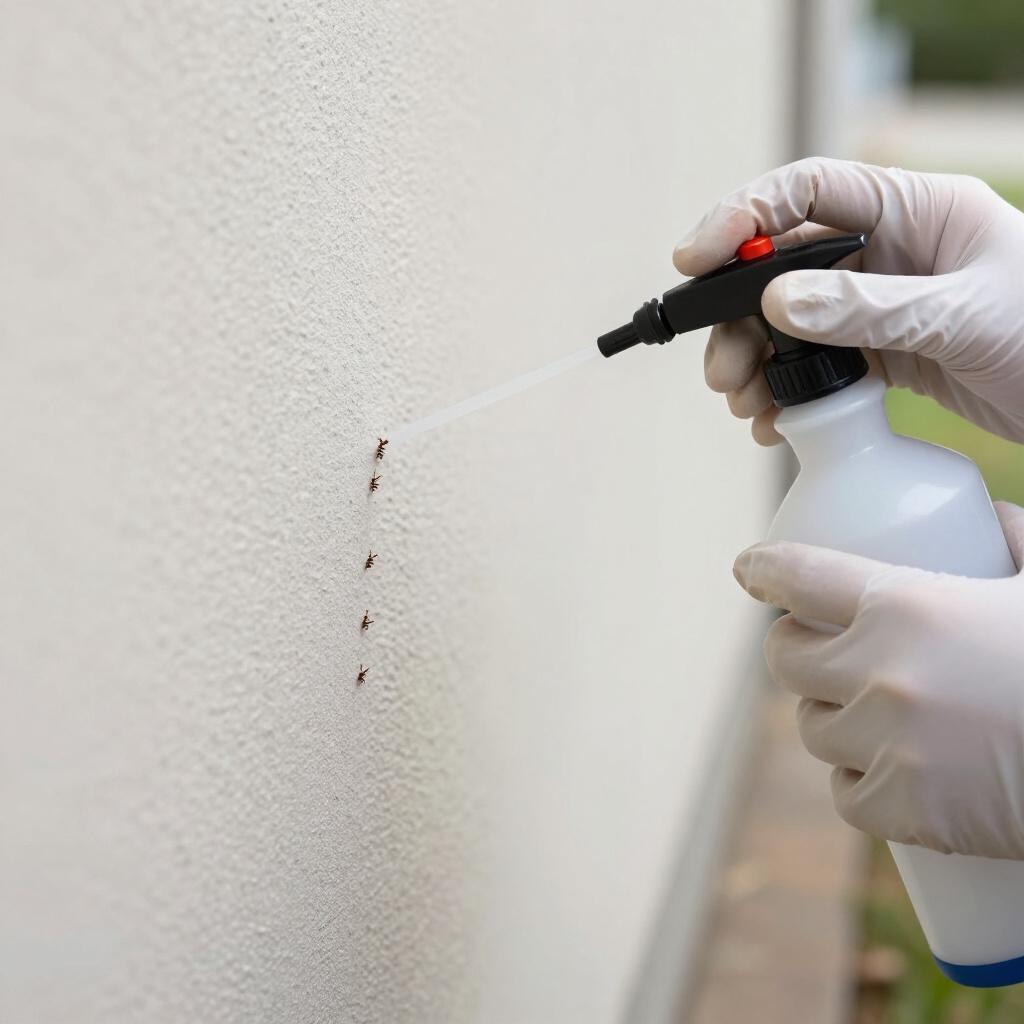
- Ant infestations: Pavement ants and odorous house ants rank among the most frequent complaints, particularly during spring and summer months when colonies expand
- Termite activity: Eastern subterranean termites threaten older wooden structures throughout Cumberland County, with swarm season typically occurring April through June
- Stinging insects: Yellow jackets, paper wasps, and bald-faced hornets build nests in eaves, sheds, and landscaping features
- Spider populations: Wolf spiders, house spiders, and occasional black widow sightings occur in basements, crawl spaces, and garages
- Rodent pressures: Mice and rats exploit foundation gaps, utility penetrations, and deteriorating weather stripping
- Occasional invaders: Boxelder bugs, stink bugs, and Asian lady beetles seek overwintering shelter in autumn
Seasonal Treatment Considerations
Spring brings carpenter ant swarms and termite alates, making early-season inspections valuable for Mechanicsburg properties. Summer months see peak activity for mosquitoes breeding in standing water, particularly after rainfall events. Fall triggers rodent migration indoors and the arrival of overwintering insects seeking harborages. Winter treatments focus on interior monitoring and addressing active infestations that established during warmer periods.
Commercial properties along the Carlisle Pike corridor and near Mechanicsburg's industrial parks require coordinated pest management approaches that account for high-traffic conditions, food service operations, and regulatory compliance needs.
Why Mechanicsburg Properties Need Localized Pest Control
Cumberland County's geography creates specific pest dynamics. The Yellow Breeches Creek watershed and surrounding tributaries contribute to elevated humidity levels that support mosquito breeding and wood-destroying organism activity. Properties near undeveloped parcels or farmland edges experience higher wildlife and insect migration rates.
Soil composition in the Mechanicsburg area—characterized by clay-heavy substrates—affects termite foraging patterns and can influence foundation moisture conditions that attract pests. Our treatment protocols account for these localized factors rather than applying generic approaches developed for other Pennsylvania markets.
Frequently Asked Questions About Pest Control in Mechanicsburg
What pests are most problematic in Mechanicsburg homes?
Ants, particularly pavement ants and odorous house ants, generate the highest volume of service requests during warmer months. Termites represent the most significant structural threat, with eastern subterranean termites active throughout Cumberland County. Rodents become increasingly problematic from October through March as temperatures drop. Stinging insects peak in late summer when colonies reach maximum size.
How often should Mechanicsburg properties receive professional pest control?
Most residential properties benefit from quarterly exterior treatments to maintain protective barriers against crawling insects. Homes with histories of termite activity require annual inspections and may need ongoing monitoring system maintenance. Properties near wooded areas, water features, or agricultural land often warrant bi-monthly service during peak seasons. Rodent-prone structures typically need monthly monitoring until populations stabilize.
Are pest control treatments safe for families with children and pets?
Modern application methods prioritize targeted placements in inaccessible areas rather than broadcast spraying. Exterior perimeter treatments use microencapsulated formulations that bond to surfaces and resist transfer. Interior applications focus on crack-and-crevice techniques, bait stations in locked containers, and exclusion work that eliminates entry points without chemical dependency. Technicians provide specific re-entry timelines based on products used, though most treatments require minimal or no vacancy period.
What should homeowners do before a pest control service visit?
Clear access to baseboards, under sinks, and utility areas allows thorough inspection and treatment. Store food items and pet dishes in sealed containers. Note recent pest sightings with dates, locations, and descriptions to help technicians identify species and nesting sites. For rodent services, reduce clutter in basements, attics, and garages that provides harborage. After treatment, maintain consistent sanitation practices and address moisture issues like leaky faucets or poor drainage to maximize long-term results.