
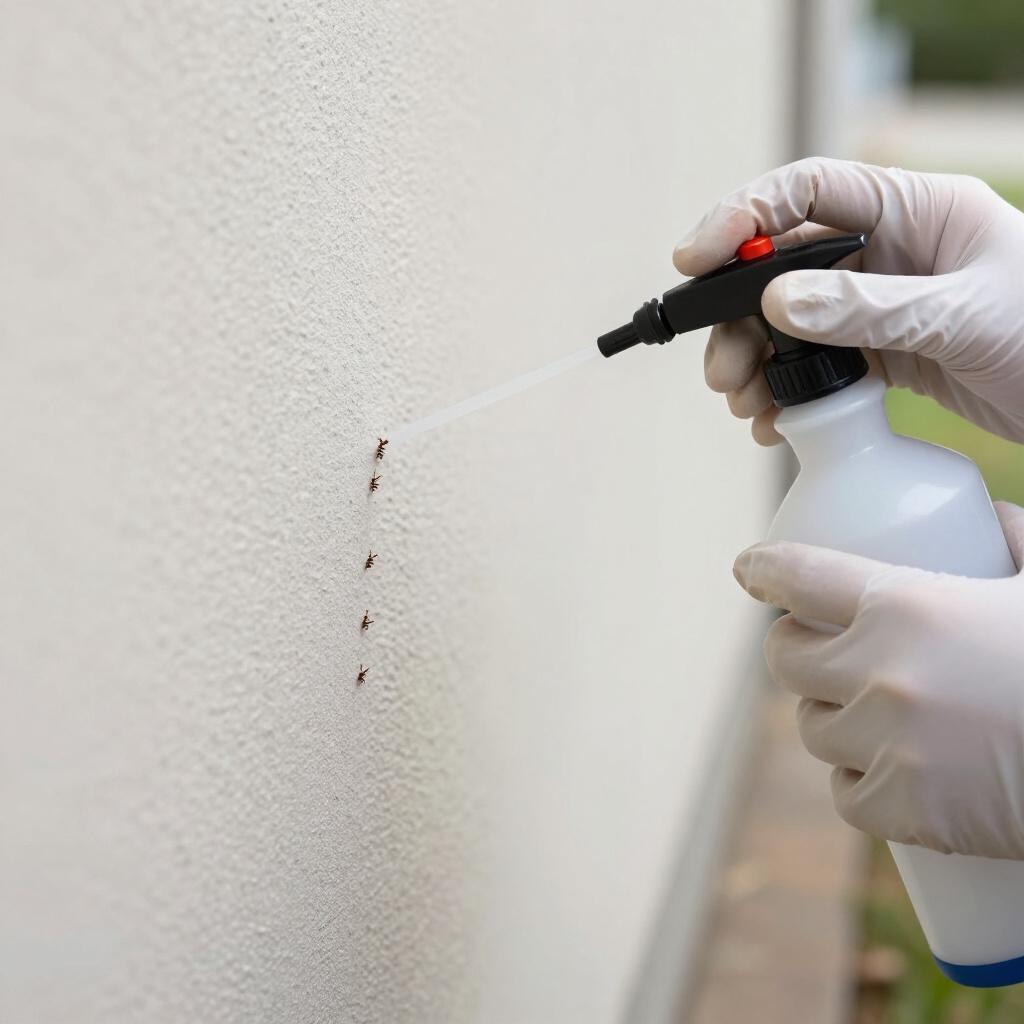

How to Choose a Pest Control Professional in Harrisburg
Finding the right pest control provider in Dauphin County requires looking beyond flashy advertising. Harrisburg's unique position along the Susquehanna River, combined with its mix of historic row homes in Midtown, newer developments in the suburbs, and commercial corridors along Route 22, creates diverse pest pressures that demand local expertise.
Start by verifying Pennsylvania Department of Agriculture licensure. All pest control applicators must carry proper certification, and reputable companies display this willingly. Ask specifically about experience with Harrisburg's most persistent invaders: river-adjacent properties frequently battle moisture-seeking termites and carpenter ants, while older neighborhoods with stone foundations often harbor mice exploiting tiny gaps.
Request a written inspection report before any treatment commitment. Quality professionals assess entry points, moisture conditions, and harborage areas rather than offering phone quotes. Inquire about integrated pest management approaches—companies emphasizing exclusion work and habitat modification alongside targeted treatments typically deliver longer-lasting results in Pennsylvania's variable climate.
Finally, check reviews mentioning follow-up responsiveness. Harrisburg's seasonal temperature swings mean pests require ongoing vigilance, not one-time fixes.
What to Expect from Pest Control Services in Harrisburg
Your first service typically begins with a comprehensive property inspection lasting 45 minutes to an hour. The technician examines basements and crawl spaces—common problem zones in Harrisburg's older housing stock—checks attic ventilation, identifies exterior entry points, and notes vegetation touching structures that bridges pests indoors.
You'll receive a customized treatment plan addressing active infestations and preventive measures. For common Harrisburg scenarios, this might include foundation perimeter treatments, bait stations for rodent management, or targeted applications for seasonal invaders like stink bugs seeking winter shelter. Technicians should explain product selection rationale, application timing, and any preparation steps needed.
Most residential programs include quarterly follow-ups to break pest reproduction cycles. Between visits, reputable providers offer callback guarantees if activity resurges. Documentation matters—expect service reports noting treated areas, products used, and observations for your records, particularly relevant for rental properties requiring landlord-tenant communication.
Available Pest Control Services
Harrisburg residents and business owners can access comprehensive pest management spanning common urban and suburban challenges:
- Residential pest control — Quarterly protection plans for single-family homes, townhouses, and apartments targeting ants, spiders, cockroaches, and occasional invaders
- Termite inspection and treatment — Subterranean termite prevention and elimination using liquid barriers or baiting systems, critical for properties near wooded areas or with wood-to-soil contact
- Rodent exclusion and control — Mouse and rat population reduction combined with structural sealing, essential before Pennsylvania's harsh winters drive rodents indoors
- Bed bug elimination — Heat treatment and conventional approaches for multi-unit buildings and hospitality settings near downtown Harrisburg
- Commercial pest management — Customized programs for restaurants along Restaurant Row, healthcare facilities, warehouses, and state government buildings with strict compliance requirements
- Stinging insect removal — Safe nest extraction for wasps, hornets, and yellow jackets threatening outdoor spaces during warmer months
- Mosquito reduction — Breeding site elimination and barrier treatments for properties backing up to the Capital Area Greenbelt or other green spaces
Many providers offer same-day or next-day emergency response for severe infestations or situations involving public health concerns like aggressive wasp nests or extensive cockroach activity.
Frequently Asked Questions
What pests are most common in Harrisburg homes?
Ants (particularly odorous house ants and pavement ants), mice, spiders, and cockroaches top the list. Seasonal surges include stink bugs in fall and boxelder bugs seeking winter shelter. Properties near the Susquehanna River or Paxton Creek experience elevated moisture pest pressure including silverfish, centipedes, and occasional termite activity.
How often should Harrisburg properties receive pest control?
Most homeowners benefit from quarterly service visits aligned with Pennsylvania's distinct seasons—spring emergence, summer peak activity, fall entry prevention, and winter monitoring. High-traffic commercial kitchens or properties with previous severe infestations may require monthly attention initially.
Are pest control treatments safe for children and pets?
Licensed applicators use EPA-registered products applied according to label directions, minimizing risk to occupants. Modern approaches emphasize targeted applications rather than broadcast spraying. Technicians advise specific re-entry times and may recommend removing pets during treatment. Many families prefer exterior-focused programs with reduced interior chemical exposure.
Do I need to leave my home during treatment?
Most routine services allow you to remain home, though technicians may ask you to avoid treated areas until dry—typically 30-60 minutes. Extensive interior treatments, flea applications, or certain fumigation procedures require temporary evacuation with specific return timelines provided in advance.
Can pest control prevent future infestations?
Prevention forms the core of effective programs. Exclusion work sealing gaps around utilities, foundation cracks, and door frames eliminates entry pathways. Moisture control recommendations, vegetation management, and sanitation guidance remove conditions attracting pests. Ongoing monitoring detects early activity before populations establish, particularly valuable in Harrisburg's dense urban neighborhoods where pests readily migrate between adjacent structures.