

Common Pest Control Problems in Titusville
Titusville sits along Oil Creek in northwestern Pennsylvania, where the wooded hills and river valley create ideal conditions for persistent pest issues. The mix of historic homes, rural properties, and proximity to state game lands means residents deal with pest pressures that differ from more urban parts of Venango County.
Termites pose a significant threat to Titusville's older housing stock. Many properties in the downtown historic district and surrounding neighborhoods were built before modern preventive treatments existed, leaving original timber frames vulnerable to eastern subterranean termites that thrive in Pennsylvania's moist soil conditions. Homeowners often discover damage only after colonies have worked silently for years.
The Oil Creek corridor and nearby woodlands bring substantial rodent pressure. Field mice and deer mice move indoors as temperatures drop in late fall, squeezing through gaps in foundations common to older construction. Rural properties face additional challenges with Norway rats attracted to barns, outbuildings, and areas where agricultural activity meets residential zones.
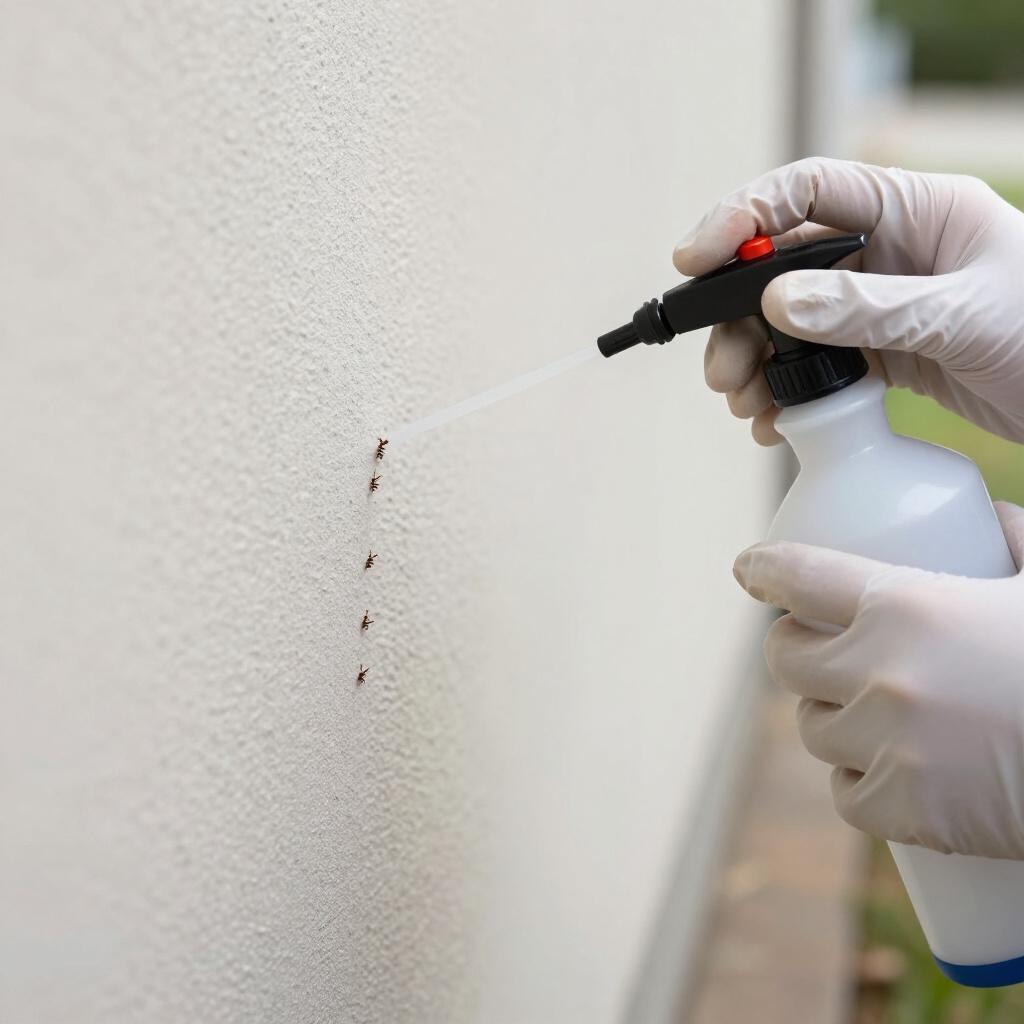
Ant infestations escalate rapidly during humid summer months. Pavement ants nest beneath concrete slabs and driveway edges, while carpenter ants exploit moisture-damaged wood in homes near the creek floodplain. These wood-destroying ants frequently go unrecognized until structural damage appears.
Stinging insects create safety concerns throughout Titusville's outdoor season. Yellow jackets nest in ground cavities and wall voids, becoming aggressively defensive in late summer. Bald-faced hornets build large aerial nests in trees along property lines, posing risks to children and pets.
Bed bug introductions continue rising with travel through the region. These pests spread through secondhand furniture purchases, multi-unit housing, and visitor traffic connected to the Drake Well Museum and local tourism.
How We Help Titusville Homeowners
Our approach addresses the specific environmental factors that make pest control in Titusville unique. We begin with thorough inspections that account for local construction patterns, soil composition along Oil Creek, and seasonal wildlife movement corridors.
For termite concerns, we employ targeted treatment methods suited to the heavy clay soils prevalent in Venango County. Our technicians identify conducive conditions particular to historic properties—stone foundations with mortar gaps, dirt crawl spaces, and direct wood-to-soil contact points that standard inspections often overlook.
Rodent management programs focus on exclusion as the primary defense, sealing entry points with materials that withstand Pennsylvania's freeze-thaw cycles. We place exterior bait stations strategically around property perimeters, accounting for the wooded edges that surround many Titusville homes.
Moisture control recommendations accompany every carpenter ant treatment, addressing the damp conditions along the creek valley that sustain these destructive pests long-term.
Pest Control Services Available in Titusville
- Termite Control & Prevention — Liquid barrier treatments, baiting systems, and wood-destroying organism inspections for real estate transactions
- Rodent Exclusion & Control — Mouse and rat removal, structural sealing, and ongoing monitoring programs
- Ant Management — Carpenter ant elimination, pavement ant treatment, and Pharaoh ant control
- Stinging Insect Removal — Safe nest elimination for hornets, wasps, and yellow jackets
- Bed Bug Treatment — Heat remediation and targeted chemical applications
- Spider Control — Reduction of cellar spiders, wolf spiders, and occasional invaders
- Seasonal Pest Protection — Quarterly programs covering multi-pest pressures throughout the year
- Commercial Pest Management — Customized plans for restaurants, retail, and industrial facilities along Route 8 and the historic district
Pest Control Pricing in the Titusville Area
Pest control costs in Titusville reflect the service type, property size, and infestation severity. General pest control treatments for common insects typically range from $125 to $275 per visit, with quarterly prevention plans offering reduced per-visit rates for ongoing protection.
Termite treatments represent a larger investment due to the specialized products and labor involved. Liquid barrier applications for an average-sized home generally fall between $800 and $1,500, while monitoring bait systems involve initial installation plus annual maintenance fees. Real estate inspection reports for wood-destroying organisms cost $75 to $150.
Bed bug elimination requires the most intensive service, with heat treatment for a single-family home ranging from $1,200 to $2,500 depending on square footage and clutter levels. Chemical-only approaches cost less upfront but may need multiple visits.
Rodent control programs start around $200 for initial service and sealing, with follow-up monitoring available through maintenance agreements. We provide detailed written estimates before any treatment begins, with no obligation.
Frequently Asked Questions
Do I need termite treatment if my Titusville home has a stone foundation?
Yes. Stone and block foundations still contain wooden sill plates, floor joists, and interior framing that termites readily attack. The mortar gaps in older stone foundations often provide easier entry points than modern concrete slabs. Annual inspections remain important regardless of foundation type.
Why do mice keep returning to my home near Oil Creek?
Properties near waterways and wooded corridors experience continuous rodent pressure from surrounding habitat. Without comprehensive exclusion—sealing all entry points larger than one-quarter inch—new mice replace removed individuals. Permanent solutions require both population reduction and structural modifications.
Are your treatments safe for homes with wells?
We select application methods and products with particular care for properties on private well systems, which are common in rural Venango County. Termite treatments use targeted below-ground placement away from well heads, and interior applications follow strict label directions to prevent groundwater concerns.