
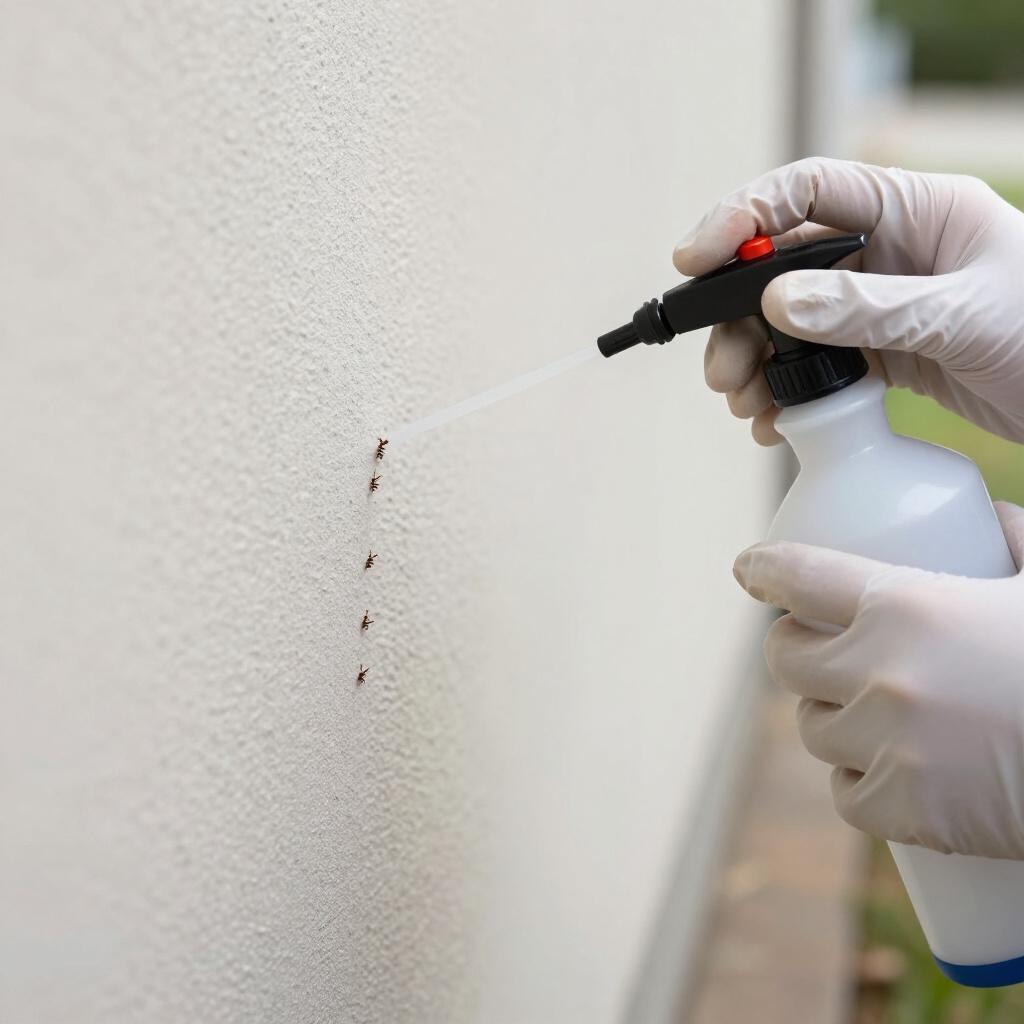

How to Choose a Pest Control Professional in Somerset
Finding the right pest control provider in Somerset County requires more than a quick online search. Somerset's rural setting, with its mix of farmland, forested areas, and small-town neighborhoods, creates unique pest pressures that differ from urban centers. Local knowledge matters when dealing with the specific challenges of southwestern Pennsylvania's climate and geography.
Start by confirming licensing through the Pennsylvania Department of Agriculture. Any company applying pesticides commercially must hold proper certification. Ask specifically about experience with Somerset County properties—technicians familiar with Laurel Highlands conditions understand how elevation changes, seasonal temperature swings, and nearby agricultural activity influence pest behavior.
Request a detailed inspection before any treatment commitment. Reputable providers examine your property's exterior perimeter, foundation, attic spaces, and moisture-prone areas. They should explain which pests are active, why they're present, and propose targeted solutions rather than blanket chemical applications. In Somerset's older housing stock, including historic homes near the downtown district, this customized approach prevents unnecessary treatments while addressing actual vulnerabilities.
Review service guarantees carefully. Somerset's harsh winters and humid summers mean pest pressures shift throughout the year—mice seeking warmth in December, carpenter ants emerging in April, stinging insects peaking in August. Your agreement should accommodate these seasonal variations with flexible scheduling and return visit provisions at no extra cost if problems persist.
What to Expect from Pest Control Services in Somerset
Your first service typically begins with a comprehensive property assessment lasting 45 minutes to an hour. The technician documents entry points, harborage areas, moisture conditions, and signs of current or past pest activity. In Somerset's terrain, this often includes checking for gaps where field rodents transition from crop fields to residential structures, or where wood-destroying organisms exploit damp crawl spaces common in hillside homes.
Treatment implementation follows inspection findings. Interior applications focus on crack-and-crevice techniques, bait placements in inaccessible areas, and targeted spot treatments rather than broadcast spraying. Exterior work establishes protective barriers around foundations, treats nesting zones in landscaping, and addresses standing water or debris accumulation that supports breeding. For Somerset properties near open land, perimeter defense proves especially critical as wildlife corridors bring pests directly to your doorstep.
Follow-up scheduling depends on your service plan. Quarterly maintenance suits most residential needs, though severe infestations or commercial properties may warrant monthly visits initially. Between appointments, you should receive documentation of services performed, products used, and any conditions requiring your attention—such as trimming vegetation away from siding or repairing damaged window screens.
Available Pest Control Services
Providers throughout Somerset County offer comprehensive protection against the region's most problematic species. Common service categories include:
- Rodent Control: Mice and rats pose year-round concerns, with activity surging as temperatures drop. Services include trapping, exclusion sealing, and attic decontamination.
- Termite & Wood-Destroying Insect Management: Subterranean termites, powderpost beetles, and carpenter ants threaten structural integrity. Liquid barrier treatments, baiting systems, and wood replacement recommendations address active damage.
- Stinging Insect Removal: Yellow jackets, hornets, and paper wasps nest in eaves, ground cavities, and landscaping. Professional removal eliminates safety hazards, particularly for households with children or allergy concerns.
- Bed Bug Elimination: Heat treatment and targeted insecticide protocols eradicate infestations in single-family homes, apartments, and lodging properties throughout the Somerset area.
- Wildlife Management: Squirrels, raccoons, bats, and skunks require humane trapping and exclusion. Licensed operators handle these species in compliance with Pennsylvania Game Commission regulations.
- Mosquito & Tick Reduction: Seasonal yard treatments and breeding source elimination protect families from vector-borne illness risks during active months.
- General Pest Protection: Ongoing programs cover ants, spiders, cockroaches, silverfish, and occasional invaders with scheduled exterior maintenance visits.
Many Somerset homeowners combine quarterly general pest plans with seasonal add-ons—tick suppression in spring, stinging insect prevention in summer, rodent fortification in fall—to maintain continuous protection aligned with local pest calendars.
Frequently Asked Questions
How quickly can I get pest control service in Somerset?
Most local providers offer scheduling within 24-48 hours for standard appointments. Emergency situations involving stinging insects, aggressive wildlife, or severe rodent infestations typically receive same-day response when possible.
Are pest control treatments safe for pets and children?
Modern application methods minimize risk through targeted placement, reduced-toxicity formulations, and adherence to label-specified re-entry intervals. Your technician should provide specific guidance about temporary precautions based on products used.
What pests are most common in Somerset County homes?
Mice lead winter complaints, followed by carpenter ants and termites in spring. Summer brings wasps, yellow jackets, and increased tick activity. Fall triggers renewed rodent pressure as fields are harvested and temperatures decline.
Do I need year-round service or just seasonal treatments?
While seasonal spot treatments address immediate issues, year-round programs provide continuous monitoring and preventive barriers. Given Somerset's extended heating season and diverse pest pressures, most properties benefit from ongoing protection rather than reactive approaches.