
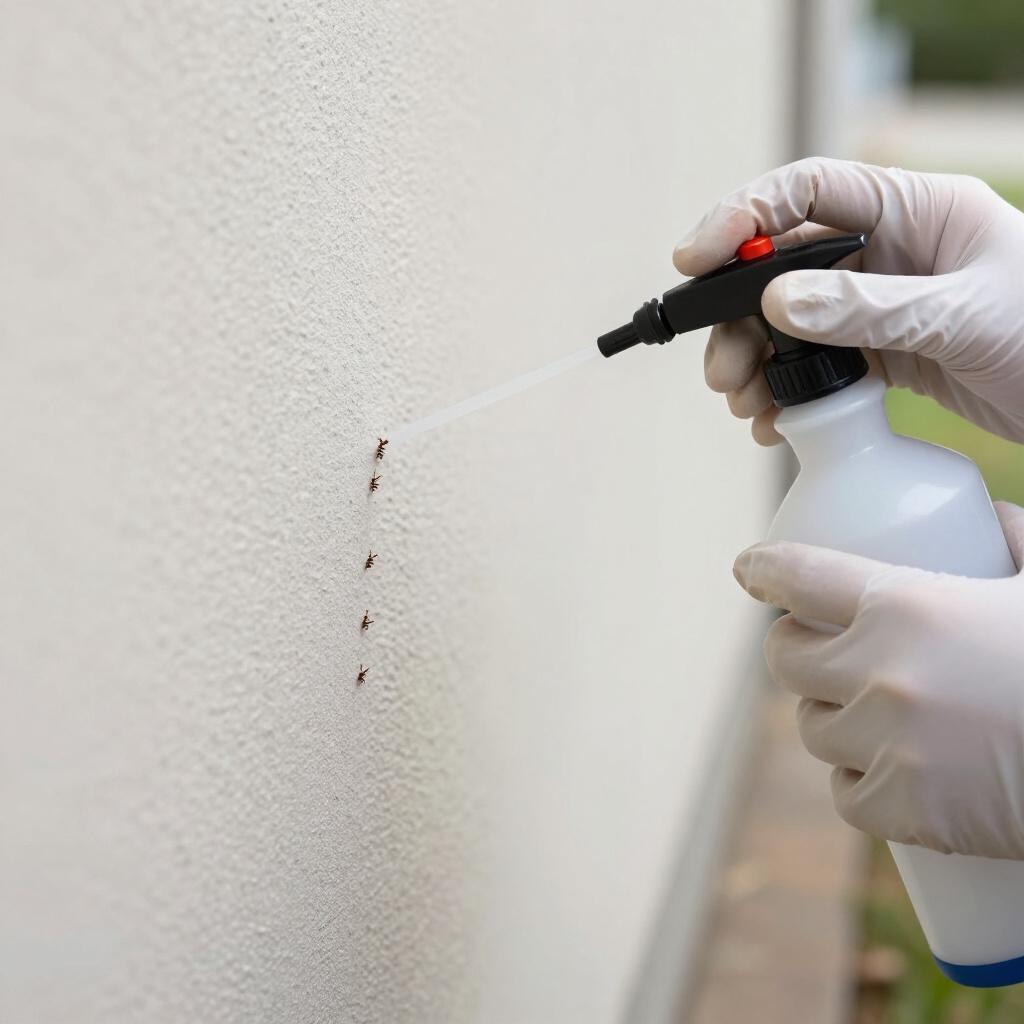

How to Choose a Pest Control Professional in Ambler
Finding the right pest control provider in Ambler means understanding what distinguishes qualified professionals in Montgomery County. The region's mix of historic homes, newer developments, and proximity to Philadelphia creates unique pest pressures that demand local expertise.
Start by verifying Pennsylvania Department of Agriculture licensing. All applicators must carry current certifications, with additional credentials for termite work and fumigation. Ask specifically about experience with Ambler's common challenges: carpenter ants in mature neighborhoods near Butler Pike, stink bugs entering homes along wooded sections of Horsham Township, and moisture-loving pests in properties near Wissahickon Creek tributaries.
Insurance coverage matters more than many homeowners realize. Montgomery County requires general liability policies, but reputable companies carry additional environmental impairment coverage. Request documentation before signing any service agreement.
Evaluate treatment philosophies carefully. Ambler's position within the Wissahickon Valley Watershed means runoff considerations affect product selection. Providers familiar with Lansdale and Hatboro watershed regulations often bring valuable cross-jurisdictional knowledge to Montgomery County properties.
Finally, examine service guarantees against local pest biology. Quarterly programs suit most Ambler residences, but properties backing onto Township Line Road green corridors may need monthly summer visits for tick and mosquito management. The right professional tailors frequency to your specific location rather than applying universal schedules.
What to Expect from Pest Control Services in Ambler
Professional pest management follows a structured approach that begins before any treatment occurs. Understanding this process helps Ambler homeowners prepare appropriately and evaluate service quality.
Initial inspection. Expect 45-90 minutes for thorough property assessment. Technicians examine foundation perimeters, crawl spaces, attic access points, and moisture-prone areas. In Ambler's older housing stock—particularly pre-1950 homes near the historic district—inspections often reveal multiple entry pathways and conducive conditions requiring attention.
Customized treatment plan. Rather than standardized packages, legitimate providers present specific findings with prioritized recommendations. This includes identification of active infestations, evidence of previous activity, and conditions attracting pests. Plans distinguish between immediate intervention needs and preventive measures.
Initial service execution. Most Ambler properties receive interior and exterior treatment during first visits. Exterior perimeter applications create protective barriers, while interior spot treatments address active issues. Expect discussion about preparation requirements—typically clearing under-sink areas and securing pet food during application.
Follow-up scheduling. Montgomery County's seasonal patterns drive service timing. Spring appointments target emerging ant and termite swarms; summer focuses on mosquitoes, ticks, and stinging insects; fall addresses overwintering pests like stink bugs and mice; winter services concentrate on rodent exclusion and monitoring.
Ongoing communication. Quality providers document each visit with findings, treatments applied, and recommendations for homeowner action. This documentation proves valuable for warranty claims and when selling properties in Ambler's competitive real estate market.
Available Pest Control Services
Providers serving Ambler offer comprehensive solutions addressing the full spectrum of local pest pressures. Core services include:
- General pest control — Protection against ants, spiders, crickets, and occasional invaders through scheduled maintenance programs
- Termite control — Liquid barrier treatments and monitoring systems, critical given Montgomery County's moderate-to-heavy termite pressure zone classification
- Rodent management — Exclusion-focused programs addressing mice and rats, with particular attention to stone foundation homes common in Ambler's older neighborhoods
- Mosquito and tick reduction — Seasonal yard treatments targeting breeding and harborage areas, essential for properties near wooded sections
- Stinging insect removal — Safe elimination of wasp, hornet, and yellow jacket nests from structures and landscaping
- Bed bug treatment — Heat remediation and targeted insecticide applications for residential and multi-family properties
- Wildlife control — Humane removal of squirrels, raccoons, and skunks with exclusion repairs to prevent re-entry
Many homeowners combine quarterly general pest protection with seasonal mosquito services, particularly those with outdoor living spaces or children playing in yards. Commercial properties along Bethlehem Pike and South Main Street often require more intensive programs addressing food service and retail-specific regulations.
Emergency services remain available for situations requiring immediate attention—active hornet nests near entryways, sudden rodent infestations, or termite swarm discoveries. Response times typically range from same-day to 48 hours depending on provider capacity and season.
Frequently Asked Questions
How much does pest control cost in Ambler?
Quarterly residential service typically ranges from $120-$180 per visit depending on property size and pest pressures. Initial treatments may cost more due to comprehensive setup. Termite protection represents a separate investment, usually $800-$1,500 for initial treatment with annual renewal fees.
Are pest control treatments safe for pets and children?
Modern application methods minimize risk significantly. Providers use targeted placements rather than broadcast spraying where possible. Standard practice requires keeping pets and children away from treated areas until products dry—typically 2-4 hours. Discuss specific concerns about fish tanks, reptile enclosures, or household members with respiratory sensitivities before service.
Why do I see more pests after treatment?
Temporary increased activity is normal and actually indicates effective treatment. Pesticides disturb established harborage, driving pests from hidden areas before they succumb. This flushing effect typically resolves within 7-10 days. Persistent activity beyond this window warrants a callback service, which reputable providers include at no charge.