
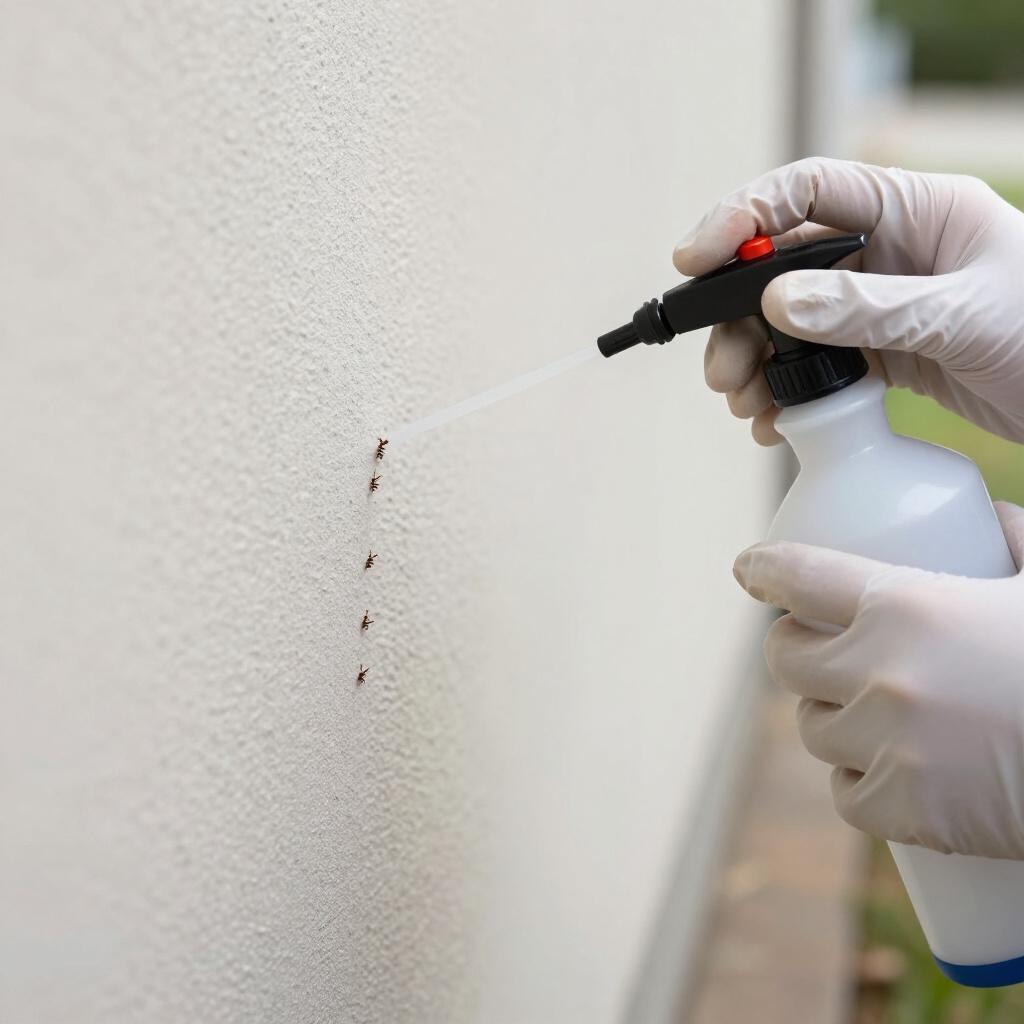

There's something unsettling about spotting a trail of ants across your kitchen counter or hearing scratching in the walls late at night. Your first instinct might be to grab a can of spray from the hardware store and handle it yourself. Sometimes that works. But here's the truth: many pest problems run far deeper than what you can see, and waiting too long to get expert help often turns a manageable situation into an expensive, stressful ordeal. Knowing when to call a pest control professional can save your home, your health, and your peace of mind.
Signs It's Time to Call a Pest Control Professional
Not every pest sighting demands immediate professional intervention—but several clear warning signals should have you reaching for the phone. The key is recognizing when DIY efforts cross from reasonable into futile, or even risky, territory.
Persistent or recurring problems. If you've tried store-bought traps, baits, or sprays and the pests keep coming back, you're likely treating symptoms rather than the source. Pests such as cockroaches, bed bugs, and termites establish hidden colonies that over-the-counter products simply cannot reach. A pest control professional has access to commercial-grade treatments and the training to locate and eliminate these reservoirs.
Structural damage. Hollow-sounding wood, sagging floors, bubbling paint, or unexplained sawdust piles near baseboards often indicate termites or carpenter ants. By the time visible damage appears, these insects may have been active for months or years. This is not a wait-and-see scenario—prompt professional assessment prevents catastrophic repair costs.
Nighttime noises and odors. Scratching, scurrying, or chirping sounds in walls, attics, or crawl spaces after dark typically mean rodents have moved in. Musty, ammonia-like smells can signal hidden infestations or, worse, deceased animals in inaccessible spaces. Rodents chew wiring (creating fire hazards), contaminate food, and spread disease through droppings and urine.
Health symptoms without clear cause. Unexplained respiratory issues, skin rashes, or allergy flare-ups might stem from pest-related triggers. Cockroach allergens worsen asthma, especially in children. Bed bug bites cause itchy welts and significant psychological distress. Certain spider bites require medical attention. If your household's health seems compromised and you suspect pests, professional identification matters.
Property-wide or multi-unit spread. Pests don't respect boundaries. If neighboring units report problems, or if you're seeing activity across multiple rooms and floors, coordinated professional treatment becomes essential. Otherwise, you're simply pushing pests temporarily from one area to another.
Pests That Demand Immediate Professional Attention
While patience might work for the occasional stray spider, certain species warrant calling a pest control professional without delay.
Termites and carpenter ants silently compromise your home's structural integrity. Annual inspections by qualified professionals represent modest insurance against five-figure repair bills.
Bed bugs spread rapidly through homes and travel with humans. Their growing resistance to common insecticides makes professional heat treatment or specialized chemical protocols increasingly necessary.
Wildlife intrusions—raccoons, squirrels, bats, or skunks—require careful handling. These animals carry rabies and other diseases, and improper removal often violates wildlife protection laws. Professionals secure entry points humanely and legally.
Venomous spiders and stinging insects pose direct safety threats, particularly for allergic individuals. Removing nests or harborage without proper equipment risks painful and potentially dangerous encounters.
German cockroaches reproduce with astonishing speed. A few visible adults typically mask dozens more hiding in appliances, wall voids, and cabinet seams. Their egg cases resist many treatments, making professional rotation of control methods critical.
Key Tips for Working With Pest Control Professionals
Once you decide to bring in experts, a few preparations ensure the best outcomes.
Document what you've observed. Note where, when, and what you've seen. Take photos if possible. This information helps professionals target inspections and treatments effectively.
Ask questions before hiring. Verify licensing, insurance, and any required certifications. Reputable companies explain their treatment plans clearly, including what products they'll use, safety precautions for children and pets, and what results you should realistically expect.
Follow preparation and aftercare instructions precisely. Professional treatments work best when homeowners cooperate fully—whether that means clearing under-sink areas, laundering bedding at high temperatures, or temporarily relocating pets during application.
Address contributing conditions. Even the best pest control professional cannot permanently solve problems if moisture issues, food sources, or entry points remain unaddressed. Seal cracks, repair leaks, store food properly, and maintain landscaping to reduce pest pressure around your foundation.
Schedule follow-up inspections. Many serious infestations require monitoring and retreatment. Establishing an ongoing relationship with a trusted professional provides early detection and preventive protection rather than reactive crisis management.
Final Thoughts
Deciding when to call a pest control professional ultimately comes down to protecting what matters most—your family's wellbeing, your home's value, and your own sanity. Small, isolated incidents often resolve with diligent homeowner efforts. But when pests persist, multiply, damage property, threaten health, or simply overwhelm your capacity to respond, expert intervention becomes the wisest investment.
The most successful approach combines your attentiveness as a homeowner with professional expertise when situations exceed your tools and knowledge. Trust your observations, act decisively when warning signs appear, and remember that seeking help early almost always costs less than delaying until problems escalate. Your home deserves that vigilance, and so do you.