
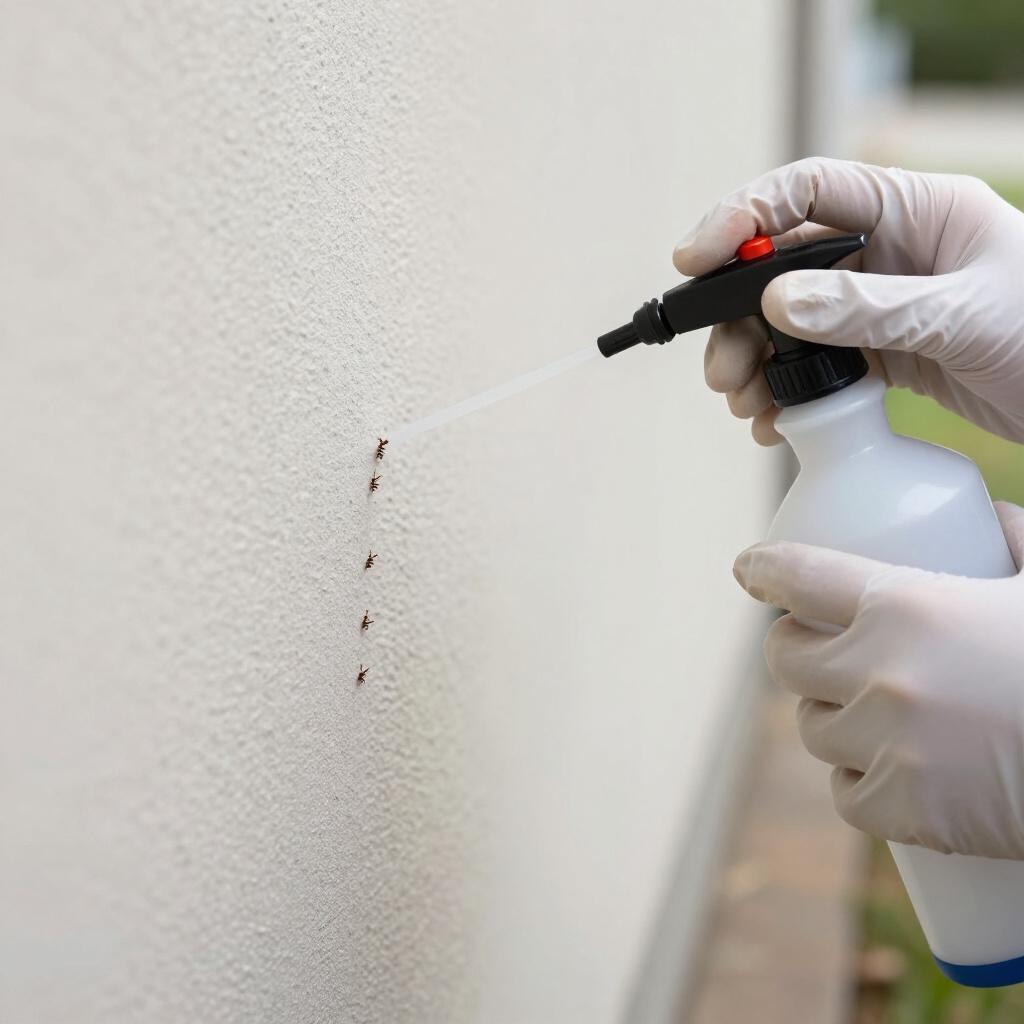

Termites are one of the most destructive pests a homeowner can face, causing billions of dollars in damage each year across the United States. The real danger lies in their ability to work silently behind walls, under floors, and inside wooden structures—often for months or years before anyone notices. By the time you spot obvious signs, the damage may already be extensive and expensive to repair. Knowing the early warning signs you may have termites can make the difference between a simple treatment and a major renovation project.
Common Signs You May Have Termites in Your Home
Termites leave behind subtle clues as they feed and build their colonies. Learning to recognize these indicators early gives you the best chance of stopping an infestation before it spirals out of control.
One of the most telling signs you may have termites is the presence of mud tubes. Subterranean termites—the most common type in many regions—build these narrow, pencil-width tunnels from soil, wood particles, and their own saliva. They use mud tubes to travel between their underground colony and their food source while staying protected from dry air and predators. Check along your foundation walls, crawl spaces, basement corners, and any concrete slabs where wood meets the ground. Breaking open a mud tube and finding active, creamy-white insects inside confirms termite activity.
Discarded wings near windowsills, door frames, or light fixtures are another strong indicator. Reproductive termites, called swarmers, emerge in spring or early summer to mate and establish new colonies. After their brief flight, they shed their wings in piles that resemble fish scales. Finding these wings indoors almost always means a colony exists nearby—or possibly inside your home.
Hollow-sounding wood deserves immediate attention. Tap on baseboards, window frames, and support beams with the handle of a screwdriver. Solid wood produces a dull thud, while termite-damaged wood sounds hollow or papery. In advanced cases, you may notice blistering or darkening on wood surfaces, or the wood may crumble easily under slight pressure.
Frass, or termite droppings, resembles tiny wood-colored pellets or sawdust. Drywood termites push these droppings out of small kick-out holes in the wood they're infesting. Finding mysterious piles of what looks like fine sand or sawdust beneath wooden furniture, beams, or flooring should prompt a closer inspection.
Subtle Warning Signs Homeowners Often Miss
Not all termite indicators are dramatic. Some of the most important clues hide in plain sight and get dismissed as normal household quirks.
Doors and windows that suddenly become difficult to open or close may signal termite damage. As termites consume wood and create moisture within the tunnels, wooden frames can warp slightly. Many homeowners assume humidity or settling is to blame when termites are the real culprit behind that sticking patio door or tight-fitting window.
Peeling paint that bubbles or cracks in unusual patterns can indicate moisture buildup from termite activity behind the wall. This damage often mimics water damage so convincingly that homeowners address the symptom while missing the pest entirely. If you notice paint issues without any plumbing leaks or weather events to explain them, termites deserve consideration.
A faint clicking or rustling sound from within walls—especially at night when the house is quiet—may be soldier termites banging their heads against wood to signal danger to the colony. While subtle, this sound has helped attentive homeowners catch infestations before visual damage became apparent.
Unexpected sagging floors, loose tiles, or buckling laminate can also trace back to termite damage in the subfloor or supporting joists. These structural changes develop gradually, making them easy to attribute to age or poor installation rather than active pest destruction.
Where to Inspect and What to Look For
Regular, strategic inspections help you catch termite activity in its earliest stages. Focus your attention on areas where wood contacts soil or moisture accumulates.
Begin outside your home. Examine the foundation perimeter, paying special attention to any cracks, expansion joints, or utility penetrations where termites might enter. Inspect wooden fence posts, deck supports, and firewood stacks positioned too close to the structure. Store firewood at least twenty feet from your home and elevate it off the ground to eliminate termite bridges.
Inside, prioritize basements, crawl spaces, attics, and utility rooms. Use a flashlight to check rim joists, sill plates, and areas around plumbing penetrations. Look for mud tubes, damaged wood, and moisture stains. In finished living spaces, pay attention to baseboards, hardwood flooring transitions, and the undersides of windowsills.
Consider scheduling annual professional inspections even if you haven't noticed any signs. Pest control technicians have specialized tools—moisture meters, thermal imaging cameras, and borescopes—that reveal hidden activity invisible to the untrained eye. Many reputable companies offer free or low-cost inspections that provide genuine peace of mind.
When to Call a Professional
Termite treatment is not a suitable DIY project for most homeowners. The chemicals and application methods required demand proper training, licensing, and equipment. More importantly, misidentifying the termite species or underestimating the colony's extent leads to inadequate treatment and continued damage.
Contact a licensed pest control professional immediately if you discover any signs you may have termites, even if you're uncertain. They can confirm the infestation, identify the termite species, assess the damage, and recommend an appropriate treatment plan. Options typically include liquid soil treatments that create protective barriers, baiting systems that eliminate colonies through shared feeding, or localized treatments for isolated drywood termite infestations.
Prompt action matters tremendously. Termite colonies grow exponentially, and the longer they remain active, the more structural integrity they compromise. Foundation damage, compromised load-bearing walls, and ruined hardwood flooring represent just some of the costly consequences of delayed treatment.
Final Thoughts
Termites operate in secrecy, but they cannot hide every trace of their presence. Mud tubes, discarded wings, hollow wood, frass, and subtle structural changes all serve as warning signals for observant homeowners. Regular inspections—both DIY and professional—form your best defense against these destructive pests. The investment of time and attention pays dividends by preserving your home's value, safety, and structural soundness. If you suspect termite activity, trust your instincts and call a professional. Early detection transforms a potential disaster into a manageable problem, protecting both your home and your peace of mind for years to come.