
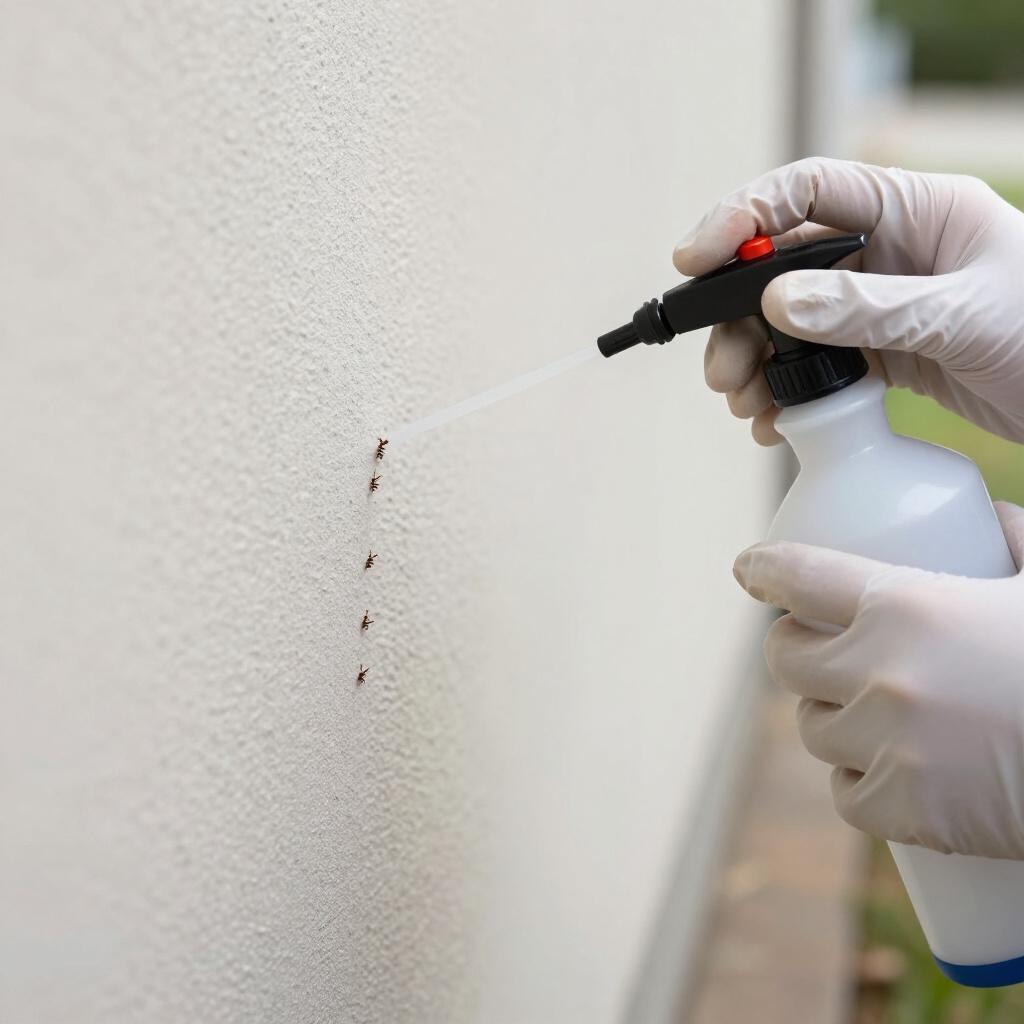

Pests don't take vacations. While you might not notice them during certain months, the truth is that every season brings its own set of unwelcome visitors. A reactive approach—waiting until you see ants marching across your kitchen or hear scratching in the walls—often means the problem is already bigger than it looks. The smartest homeowners stay ahead of the curve with a proactive, seasonal pest control checklist that evolves throughout the year. Here's your complete guide to keeping your home protected, no matter what the calendar says.
Seasonal Pest Control Checklist: Spring Awakening
As temperatures rise and dormant landscapes burst back to life, pests emerge from their winter hiding spots with one thing on their minds: reproduction. Spring is arguably the most critical season for establishing your defensive perimeter.
Start with a thorough exterior inspection. Walk your property and seal any cracks or gaps in your foundation, siding, and around utility penetrations. Even openings as small as a pencil eraser can admit ants, spiders, and other insects. Replace damaged weatherstripping around doors and windows, and ensure screens are intact without tears or loose frames.
Your landscaping choices matter enormously in spring. Trim shrubs and tree branches so they don't touch your home's walls or roof—these act as natural bridges for rodents and insects. Clear winter debris from gutters and downspouts, and direct water away from your foundation. Standing moisture attracts termites, mosquitoes, and countless other moisture-loving pests.
Inside, focus on kitchens and pantries. Remove everything from cabinets, inspect for signs of activity, and clean thoroughly. Store dry goods in airtight containers rather than original packaging. This is also the ideal time to schedule a professional inspection, especially for termite activity as swarming season begins.
Summer Vigilance and Active Management
Summer represents peak pest pressure. Warm temperatures accelerate breeding cycles, and outdoor activities increase opportunities for pests to hitchhike indoors or establish populations in your yard.
Mosquito management becomes paramount. Eliminate standing water weekly—check birdbaths, plant saucers, clogged gutters, tarps, and children's toys. Even bottle caps can harbor enough water for mosquito larvae. Consider professional barrier treatments for your yard if mosquitoes prevent you from enjoying outdoor spaces.
Ant colonies reach maximum size in summer, sendingforagers far and wide. Maintain rigorous cleanliness indoors: wipe counters immediately after food preparation, sweep floors daily, and never leave pet food out overnight. Address outdoor ant mounds promptly before they expand toward your foundation.
Stinging insects build nests in eaves, overhangs, and sheltered areas. Inspect these zones regularly, but never attempt removal yourself if nests are established—this is genuinely dangerous work best left to professionals with proper protective equipment and techniques.
Don't overlook your garage and attic. These hot, often-neglected spaces can harbor rodents seeking water sources, or become entry points for wildlife. Install door sweeps on garage doors and ensure attic vents are properly screened.
Fall Preparation: The Great Inward Migration
As daylight shortens and temperatures drop, pests sense winter approaching. Your warm, sheltered home becomes increasingly attractive, triggering what pest professionals call "fall invasion pressure." This is your last major opportunity to prevent overwintering pests from establishing indoor populations.
Conduct your most aggressive exterior sealing in early fall. Pay special attention to the south and west sides of your home, which receive maximum sun exposure and attract heat-seeking pests. Seal around window air conditioning units, which should be removed or properly covered. Install chimney caps and verify vent screening is secure against determined rodents.
Firewood requires special attention. Stack it at least twenty feet from your home and elevate it off the ground. Woodpiles are rodent condominiums and termite buffets—bringing fuel indoors only when immediately needed prevents hitchhikers from gaining entry.
Indoors, declutter storage areas where pests could overwinter undisturbed. Basements, attics, and closets with accumulated cardboard boxes and fabric provide ideal harborage. Consider transitioning to plastic storage containers with tight-fitting lids.
Winter Monitoring and Maintenance
Winter might seem like pest downtime, but the activity simply shifts location. Pests that entered in fall are now settled indoors, while exterior populations may be dormant but not gone.
Continue monitoring for signs of rodent activity, which often intensifies as outdoor food sources disappear. Listen for scratching in walls, especially at dawn and dusk. Inspect for droppings in cabinets, pantries, and along baseboards. Even a single mouse can produce dozens of offspring in favorable indoor conditions.
Inspect less-frequented spaces regularly: utility rooms, crawl spaces, and areas beneath sinks where pipes enter walls. These warm, humid zones with access to water attract cockroaches and silverfish even in winter months.
Don't let seasonal maintenance lapse. Ice dams and condensation from temperature differentials create unexpected moisture problems. Address any plumbing leaks immediately, and ensure bathrooms and kitchens have adequate ventilation.
Key Tips for Year-Round Success
Consistency separates homes that struggle with recurring pest issues from those that remain genuinely protected. Consider these foundational practices that support your seasonal pest control checklist throughout the year.
First, maintain detailed records. Note when you observe pest activity, what you found, and what actions you took. This documentation helps identify patterns and proves invaluable if you ever need professional intervention—technicians can quickly understand your home's unique history.
Second, resist the temptation to rely solely on over-the-counter sprays as your primary strategy. These products often scatter pests rather than eliminating them, and improper application can expose your family and pets to unnecessary chemicals. They're appropriate for occasional spot treatment but shouldn't replace systematic prevention.
Third, coordinate with neighbors when possible. Pests don't respect property lines. A community approach to eliminating standing water, managing shared green spaces, and maintaining consistent standards dramatically improves everyone's outcomes.
Finally, establish a relationship with a qualified pest control professional before emergencies arise. Annual inspections, seasonal treatments, and expert guidance tailored to your region and home construction type provide peace of mind that DIY efforts alone cannot match.
Final Thoughts
Effective pest management isn't about achieving a single victory—it's about building sustainable habits that protect your home through every season's unique challenges. The homeowners who sleep easiest aren't necessarily those with the newest house or the biggest budget; they're the ones who treat pest control as an ongoing priority rather than an occasional panic response.
Start with this seasonal pest control checklist, adapt it to your specific environment and observations, and commit to the small, regular actions that prevent small concerns from becoming major infestations. Your future self—relaxing in a genuinely comfortable, pest-free home—will thank you for the effort you invest today.