
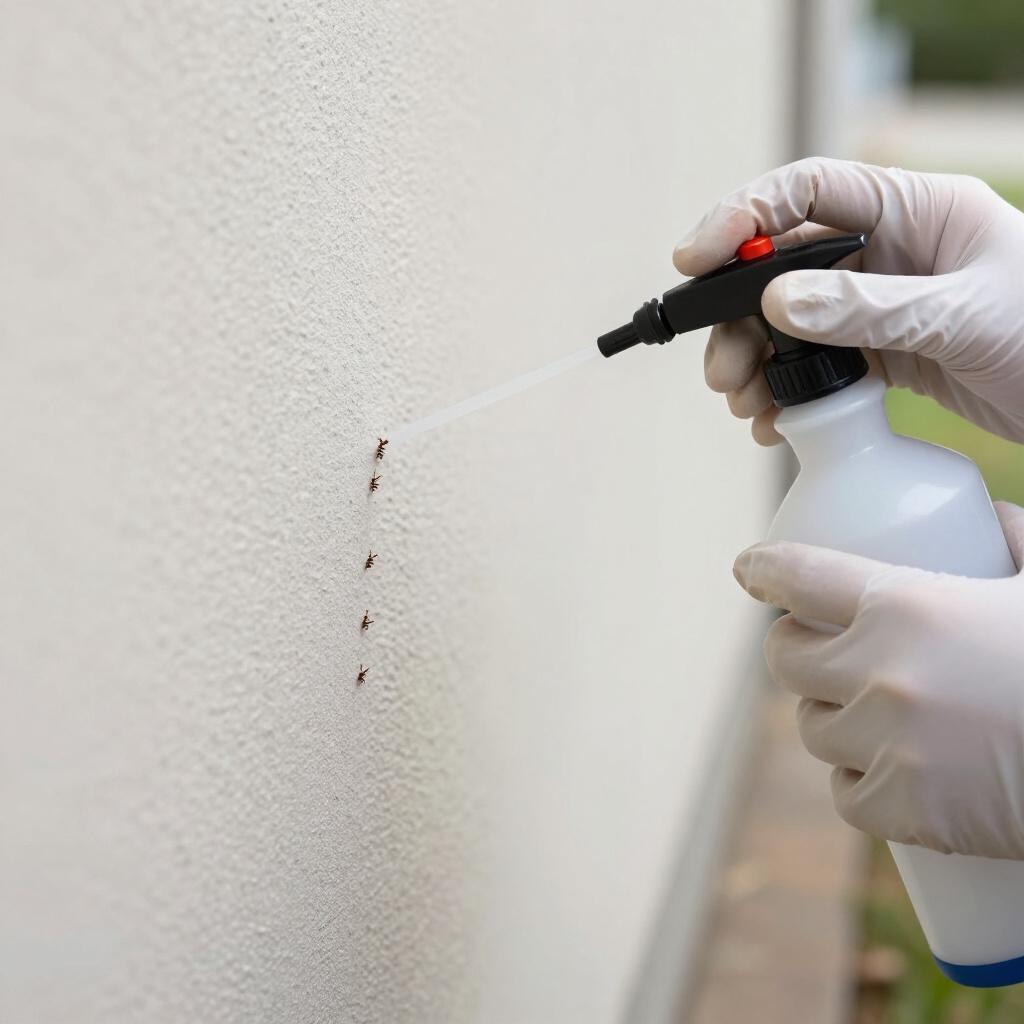
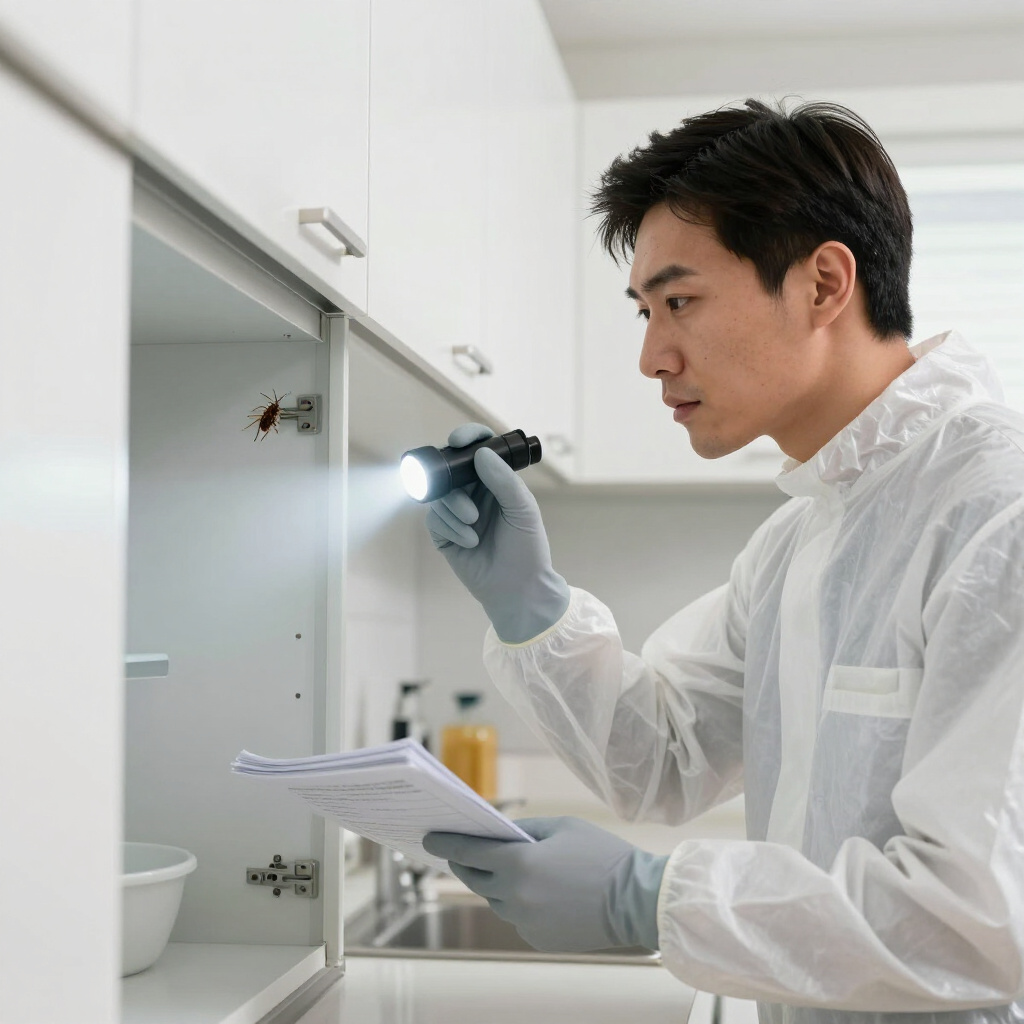
When ants march across your kitchen counter or aphids cluster on your tomato plants, reaching for harsh chemicals isn't your only option. Many homeowners are discovering that natural pest control methods can be surprisingly effective—often matching or even exceeding the results of conventional treatments. The key is understanding which approaches work for specific pests and applying them correctly. Whether you're protecting your garden, your home, or your family's health, these proven strategies offer real solutions without the unwanted side effects.
Natural Pest Control Methods That Actually Work in Your Garden
Your garden is a delicate ecosystem, and heavy pesticides can harm beneficial insects along with the destructive ones. Fortunately, several natural approaches target problem pests while preserving pollinators and soil health.
Beneficial insects are one of your most powerful allies. Ladybugs devour aphids at remarkable rates, while lacewings tackle mites, thrips, and caterpillars. You can attract these helpers by planting dill, fennel, yarrow, and other nectar-rich flowers. Avoid broad-spectrum insecticides, and these natural predators will establish themselves and maintain ongoing protection.
Neem oil deserves special mention for its versatility. Derived from the neem tree, this botanical oil disrupts feeding and reproduction in over 200 pest species including whiteflies, spider mites, and Japanese beetles. It breaks down quickly in sunlight, so it won't persist in your soil, and it's virtually non-toxic to bees when applied in early morning or evening when pollinators aren't active.
Companion planting creates natural pest barriers without any sprays at all. Marigolds repel nematodes and whiteflies with their root secretions. Basil planted near tomatoes discourages hornworms and flies. Nasturtiums act as trap crops, drawing aphids away from your vegetables. These pairings take planning but deliver protection that strengthens year after year.
Physical barriers complete your garden defense. Row covers exclude cabbage moths and carrot rust flies without affecting soil biology. Copper tape around raised beds deters slugs and snails through a mild electric reaction. Diatomaceous earth sprinkled around plant bases creates microscopic abrasions that dehydrate soft-bodied insects—just reapply after rain.
Natural Pest Control Methods That Actually Work Indoors
Inside your home, the priority shifts to safety, especially with children and pets present. These approaches eliminate common household invaders without introducing toxins where you live and breathe.
Essential oils offer genuine repellent properties when used properly. Peppermint oil effectively deters mice, rats, and spiders—soak cotton balls and place them near entry points, refreshing every two weeks. For ants, a solution of white vinegar and water disrupts their pheromone trails and masks food sources. Tea tree oil and eucalyptus similarly repel dust mites in bedding when diluted and sprayed lightly.
Food-grade diatomaceous earth works indoors against fleas, bed bugs, and cockroaches when applied to cracks, behind appliances, and along baseboards. The microscopic silica skeletons damage the waxy coating insects need to retain moisture. Unlike chemical baits, insects cannot develop resistance to this physical mode of action. Use a thin, barely visible layer—thick applications actually reduce effectiveness as insects simply walk around it.
Boric acid and borax remain unmatched for ant and cockroach control when used strategically. Mixed with sugar water or peanut butter as bait, these low-toxicity compounds disrupt insect digestion. The delayed action allows worker ants to carry the bait back to the colony, eliminating the source rather than just foraging individuals. Place bait stations out of reach of children and pets, and allow two weeks for full colony collapse.
Physical exclusion prevents problems before they start. Seal cracks wider than a nickel with silicone caulk—mice exploit surprisingly small openings. Install door sweeps and repair damaged window screens. Keep food in sealed glass or metal containers rather than plastic, which rodents can chew through. These measures cost little and eliminate the conditions that attract pests in the first place.
Key Tips for Maximizing Natural Pest Control Success
Natural methods require more precision than chemical alternatives, but their effectiveness increases dramatically with proper technique.
Identify before you treat. Many gardeners spray indiscriminately for "bugs" and accidentally kill the predators keeping real pests in check. Spend time observing—snap photos and use identification apps if needed. A single lacewing larva consumes hundreds of aphids weekly; protecting it matters more than immediately eliminating every visible insect.
Start early and stay consistent. Natural controls often work preventatively or through gradual population suppression. Begin applications before pest populations explode. Reapply botanical oils after rain. Refresh repellent barriers on schedule. The homeowners who succeed with natural methods treat them as ongoing practices, not one-time fixes.
Combine multiple strategies. Relying solely on one method invites failure. The most effective natural pest management integrates several approaches: cultural practices that reduce pest habitat, physical barriers that exclude them, biological controls that limit their reproduction, and targeted natural products when necessary. This integrated approach mirrors professional integrated pest management programs.
Know when to escalate. Some situations genuinely require professional intervention. Extensive termite damage, dangerous wasp nests near entryways, or rapidly spreading bed bug infestations may need conventional treatments applied by licensed technicians. Natural methods excel at prevention and early intervention—don't let pride delay necessary professional help when an infestation threatens your home's structure or your family's safety.
Final Thoughts
Natural pest control methods that actually work are not myths or marketing claims—they're well-documented approaches backed by decades of agricultural and entomological research. The ladybug's appetite, neem oil's growth-disrupting compounds, and diatomaceous earth's physical action all represent genuine pest management tools. Success comes from selecting appropriate methods for your specific situation, applying them with knowledge and consistency, and maintaining realistic expectations about timelines.
The shift toward natural pest control reflects something deeper than avoiding chemicals. It represents a more thoughtful relationship with our environments, recognizing that the quickest solution isn't always the wisest. By working with natural systems rather than overriding them, you build resilience into your garden and home—protection that sustains itself over seasons and years rather than requiring ever-stronger chemical interventions.
Start with one or two methods suited to your current challenges. Observe results, adjust your approach, and expand your toolkit as you gain confidence. The most effective pest management, natural or otherwise, is the kind you actually implement consistently. Small, well-chosen actions outperform grand but abandoned plans every time.