
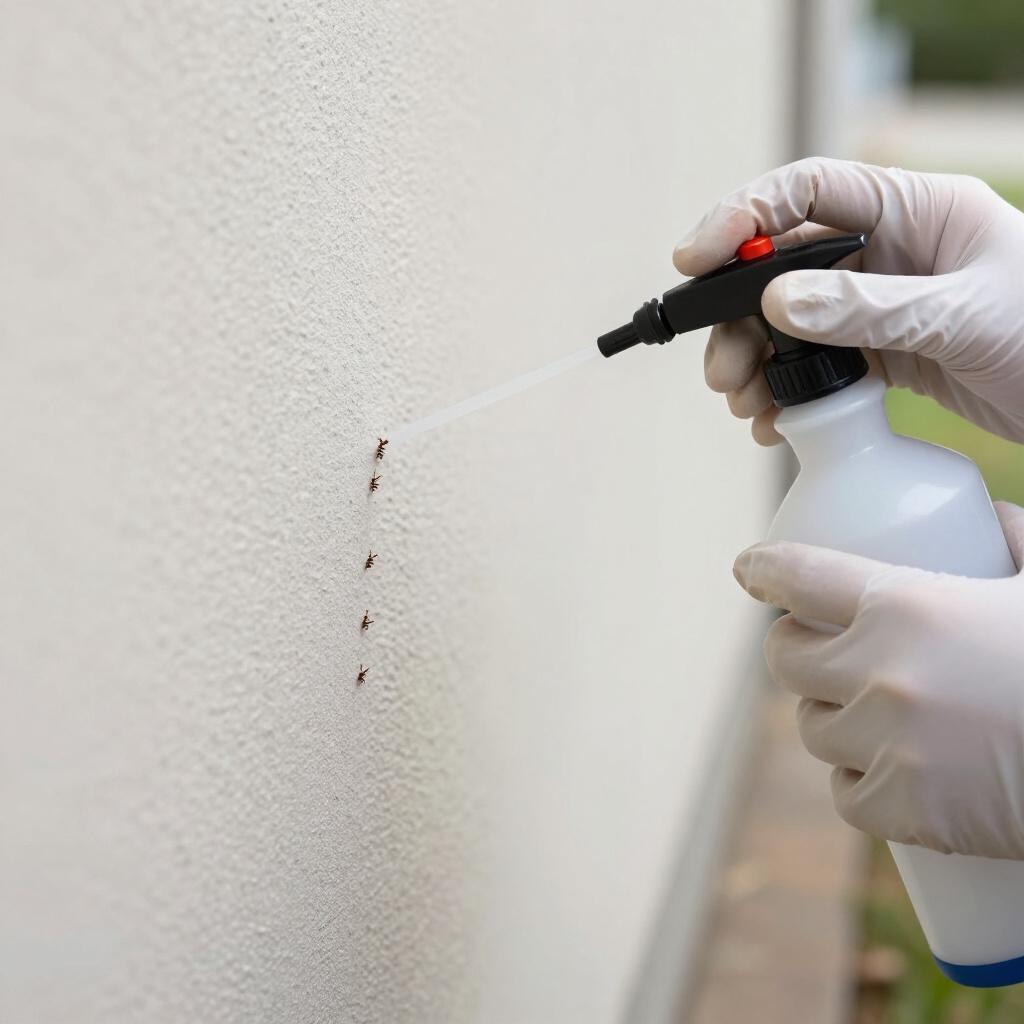

You work hard to keep your home clean and comfortable. Then one morning, you spot an ant trail across the kitchen counter or hear scratching in the walls. Household pests are more than a nuisance—they can damage your property, contaminate food, and even pose health risks to your family. The good news? Most infestations are preventable with the right knowledge and consistent habits. Let's explore which pests are most likely to invade your living space and, more importantly, how to keep them out for good.
Most Common Household Pests and How to Prevent Them
The first step in protecting your home is knowing what you're up against. Different pests require different prevention strategies, so identifying the culprits early makes all the difference.
Ants are perhaps the most frequent invaders, drawn by even the tiniest crumbs or sticky residues. They leave scent trails that recruit hundreds of followers, turning a single scout into a full-blown invasion overnight. To prevent ant problems, wipe down counters daily, store food in airtight containers, and seal cracks around windows and doors. Pay special attention to pet food bowls—ants find them irresistible.
Cockroaches thrive in warm, humid environments with access to water and organic matter. These resilient pests can squeeze through gaps as thin as a dime and often hitchhike inside via cardboard boxes or grocery bags. Eliminate cockroach attractants by fixing leaky faucets, running dehumidifiers in damp basements, and keeping trash sealed. Regular deep-cleaning behind appliances removes the grease buildup they feed on.
Spiders typically enter homes pursuing other insects, so their presence often signals a broader pest issue. While most house spiders are harmless, their webs create an unkempt appearance and can trigger anxiety. Reduce spider populations by decluttering storage areas, removing outdoor debris near foundations, and using yellow-toned outdoor lighting that attracts fewer flying insects.
Rodents like mice and rats seek shelter as temperatures drop, gnawing through walls, wires, and insulation to establish nests. Their droppings contaminate surfaces and can spread disease. Prevent rodent entry by inspecting your home's exterior for holes larger than a quarter, installing door sweeps, and keeping firewood stacked at least twenty feet from your house. Inside, store dry goods in metal or thick plastic containers rather than cardboard.
Termites operate silently, causing billions in property damage annually before homeowners even notice. These wood-destroying insects need moisture to survive, making ventilation and drainage critical. Direct water away from your foundation with functioning gutters and downspouts. Keep mulch, soil, and landscaping at least six inches below siding, and never store firewood directly against your home.
Bed bugs have resurged dramatically in recent decades, spreading through luggage, used furniture, and shared spaces. Despite their name, they hide in cracks beyond just mattresses—baseboards, electrical outlets, and picture frames all provide harborage. Protect yourself by inspecting hotel room bedding upon arrival, laundering travel clothes immediately in hot water, and carefully examining secondhand purchases before bringing them inside.
Silverfish prefer dark, damp areas like bathrooms, basements, and attics. These primitive insects feast on starchy materials including books, wallpaper glue, and clothing. Control humidity below fifty percent, repair roof leaks promptly, and store vulnerable items in sealed plastic bins rather than cardboard boxes.
Seasonal Prevention Strategies That Actually Work
Pest pressures change throughout the year, and your prevention efforts should adapt accordingly. Spring brings reproductive swarms and renewed foraging activity. This is the ideal time to inspect window screens for tears, caulk exterior gaps, and trim vegetation away from your home's perimeter—creating at least a one-foot barrier between plants and walls.
Summer heat drives many pests indoors seeking cooler temperatures and moisture. Maintain consistent indoor humidity, promptly clean up after outdoor barbecues, and ensure garbage bins have tight-fitting lids. Check door sweeps and weatherstripping, as these wear down fastest during active summer use.
Fall represents the critical preparation period before winter. Rodents, in particular, begin seeking warm shelter as nights cool. Conduct a thorough exterior inspection, paying special attention to utility entry points where pipes and wires penetrate walls. Steel wool combined with caulk makes an excellent rodent barrier.
Winter doesn't eliminate pest concerns—it shifts them. Pests already inside become more noticeable as reduced outdoor food sources concentrate their activity. Continue sanitation routines, monitor previously treated areas, and resist the urge to ignore occasional sightings because "it's too cold for bugs." Many species remain active indoors year-round.
Key Tips for Long-Term Pest Management
Effective pest prevention isn't about dramatic interventions—it's built on consistent, layered practices that make your home fundamentally unappealing to invaders.
Start with moisture management. Nearly every common household pest requires water to survive. Fix dripping faucets, running toilets, and foundation leaks immediately. Ensure bathrooms and kitchens have adequate ventilation, and consider a dehumidifier for chronically damp spaces like crawl spaces.
Master food storage discipline. Transfer pantry items from original packaging into sealed containers. Don't leave pet food out overnight. Sweep floors after meals and wipe down sticky spots on counters and tables. Even small lapses send powerful signals to foraging pests.
Practice exterior maintenance mindfulness. Overgrown vegetation, accumulated leaf litter, and improperly stored items create harborage and bridge pests into your home. Maintain a clean perimeter, store items off the ground, and position outdoor lighting to illuminate without attracting insects directly to doorways.
Develop inspection habits. Spend fifteen minutes monthly checking vulnerable areas: under sinks, behind appliances, in basement corners, and around attic access points. Early detection allows simple interventions before professional treatment becomes necessary.
Know when to call professionals. DIY methods work for minor, isolated issues, but certain situations demand expertise. Recurring infestations, wood-destroying insects, extensive rodent activity, or any pest affecting your family's health warrants professional assessment. Quality pest control services identify root causes, implement targeted solutions, and provide ongoing monitoring.
Final Thoughts
Most Common Household Pests and How to Prevent Them comes down to understanding pest behavior and systematically removing what attracts them. Your home doesn't need to be fortress-like—just consistently unwelcoming to invaders. Start with one or two prevention priorities rather than overwhelming yourself with everything at once. Small, sustained efforts compound into reliable protection. When you combine smart sanitation, structural maintenance, and seasonal awareness, you create an environment where pests simply cannot thrive. And that peace of mind? That's worth every minute invested.