
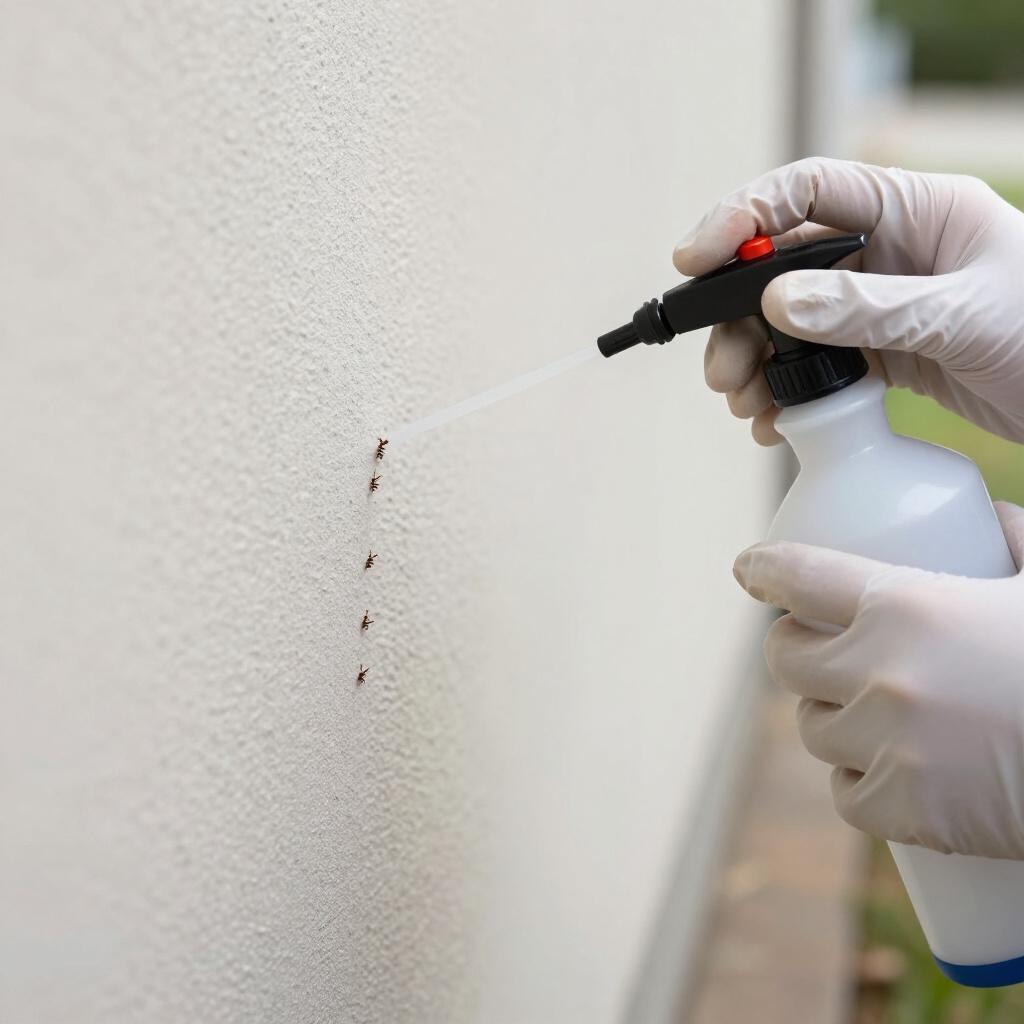

There's nothing quite like the sinking feeling of spotting a trail of ants marching across your kitchen counter. One day your home feels pristine, and the next you're watching a tiny army hauling crumbs back to a hidden nest. The good news? Ant invasions aren't inevitable. With the right knowledge and consistent habits, you can make your home profoundly unappealing to these persistent foragers. Let's explore practical, proven strategies that actually work.
How to Prevent Ants From Invading Your Home Starts With Understanding Their Behavior
Ants don't wander into your home by accident—they're following precise chemical signals left by scout ants who've found something worth returning for. These scouts are constantly searching for three things: food, water, and shelter. Understanding this motivation transforms how you approach prevention.
Most ant species prefer the outdoors but will establish indoor trails when conditions are favorable. Carpenter ants seek damp, decaying wood. Odorous house ants crave sweet substances. Pavement ants are omnivorous opportunists. Knowing what draws your specific invaders helps you target your efforts precisely.
The critical insight? Ants are creatures of efficiency. They'll abandon a trail that stops yielding rewards and seek easier targets elsewhere. Your goal isn't perfection—it's making your home consistently more trouble than it's worth compared to other options.
Seal Every Entry Point They Could Exploit
Ants can squeeze through staggeringly small gaps—some species through openings just 1/32 of an inch wide. This means standard visual inspection often misses their highways into your home. You'll need to think like an ant to beat them.
Start with the foundation. Check where utility lines enter your home: plumbing, electrical, cable, and HVAC penetrations often have generous gaps around them. Seal these with silicone caulk or expanding foam appropriate for the application. Pay special attention to areas where different building materials meet—foundation-to-siding transitions, window frames, and door thresholds.
Windows and doors deserve meticulous attention. Replace worn weatherstripping, install door sweeps if gaps exist beneath exterior doors, and ensure window screens fit tightly without tears. Don't overlook vents—dryer vents, attic vents, and crawl space openings should have intact screens that ants cannot penetrate.
The practice of sealing entry points requires periodic maintenance. Caulk deteriorates, weatherstripping compresses, and new gaps form as homes settle. Make this inspection an annual ritual, ideally in early spring before ant activity peaks.
Key Tips for Eliminating What Attracts Them
Prevention fails when your home simultaneously offers irresistible attractions. These essential practices address the food, water, and harborage that sustain indoor ant populations.
Kitchen discipline matters enormously. Wipe counters immediately after food preparation. Store pantry items in airtight glass, metal, or thick plastic containers—ants easily penetrate thin plastic and cardboard. Don't leave pet food out continuously; establish scheduled feeding times and clean bowls afterward. Empty garbage daily during warm months, and rinse recyclable containers before storing them.
Address moisture with equal vigilance. Repair dripping faucets, running toilets, and leaky pipes promptly. Ants need water desperately, and even modest moisture sources sustain colonies. Ensure gutters drain properly and direct water away from your foundation. Inside, use dehumidifiers in chronically damp spaces like basements.
Maintain your exterior perimeter strategically. Trim vegetation so branches don't touch your home—these become bridges bypassing your ground-level defenses. Keep mulch, leaf litter, and wood piles at least twelve inches from your foundation. Store firewood off the ground and away from exterior walls. These practices eliminate harborage near your home and reduce the likelihood of ants discovering and exploiting entry points.
Clean with intention. Regular sweeping and vacuuming removes the tiny food particles ants detect and exploit. Pay special attention to cracks between appliances and cabinets, under furniture, and along baseboards where debris accumulates unseen. When mopping, ensure you reach corners and edges where ant trails commonly form.
Use deterrents wisely. Natural substances like vinegar, lemon juice, and essential oils can disrupt ant trails by masking the pheromone signals scouts deposit. These aren't permanent solutions but useful tools during active prevention. Commercial bait stations placed strategically near known entry points can intercept scouts before they establish productive trails inside—just ensure they're inaccessible to children and pets.
Final Thoughts
Preventing ant invasions isn't about deploying dramatic measures or maintaining impossible standards of cleanliness. It's about consistency, attention to detail, and understanding what motivates these remarkable insects. The homeowners who succeed are those who combine diligent sealing, sensible food storage, moisture management, and regular maintenance into sustainable habits.
How to prevent ants from invading your home ultimately comes down to making a simple calculation work in your favor: ensuring that the effort required to exploit your home exceeds what ants are willing to invest. When easier opportunities exist elsewhere, they'll take them. When your home becomes reliably unrewarding, scout ants stop coming, trails fade, and your kitchen stays serenely ant-free.
If despite your best efforts ants continue finding ways inside, don't hesitate to contact a professional pest control service. Persistent ant activity often indicates hidden nests, structural vulnerabilities, or species requiring specialized treatment approaches. Professional evaluation can reveal solutions that escape even diligent DIY prevention.