
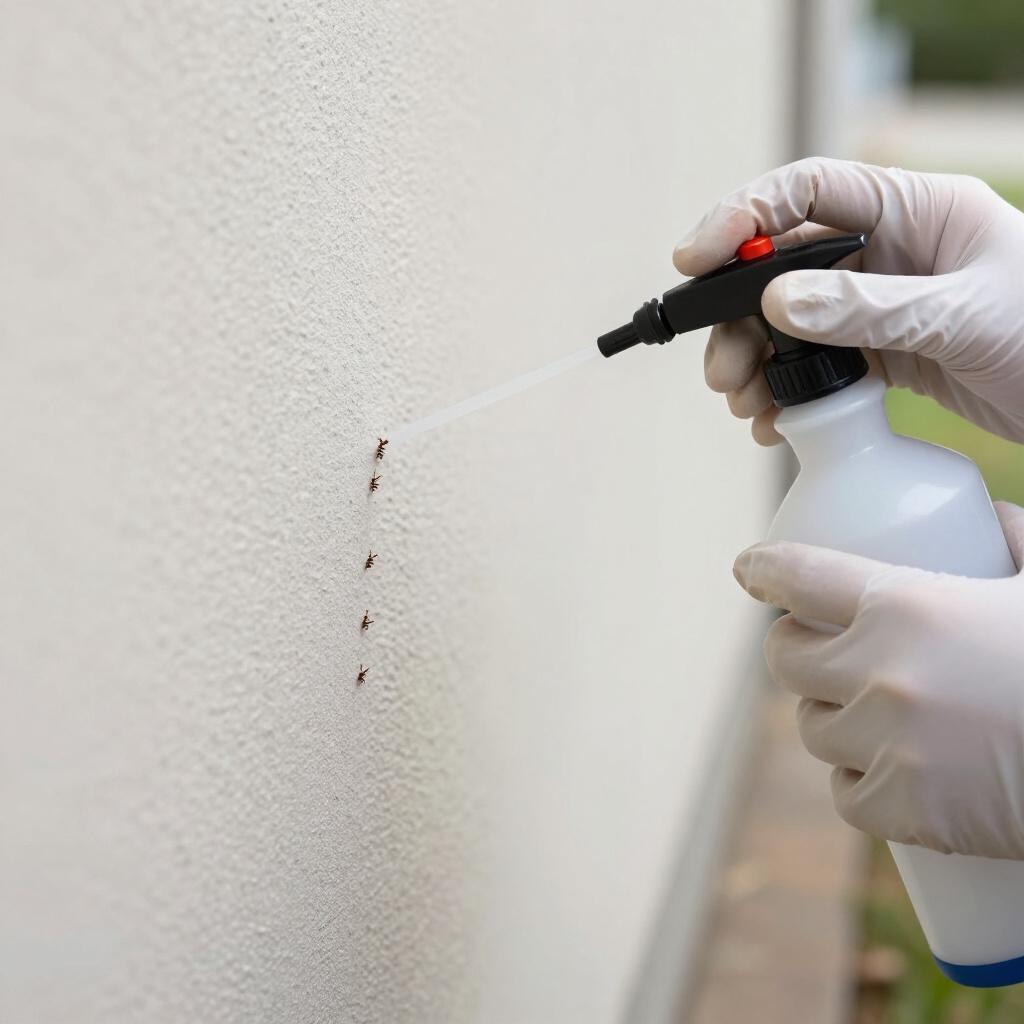

There's nothing quite like the surprise of walking into a spider web in your own hallway—or worse, spotting an eight-legged visitor scurrying across your bedroom ceiling at night. While spiders play a valuable role outdoors by controlling insect populations, most of us prefer to keep our homes as spider-free zones. The good news? Keeping spiders out doesn't require harsh chemicals or constant vigilance. With a few strategic changes to your home maintenance routine and some simple prevention tactics, you can dramatically reduce unwanted arachnid encounters and reclaim your space with confidence.
How to Keep Spiders Out of Your House by Sealing Entry Points
Spiders are master contortionists, capable of squeezing through gaps you'd barely notice. The most effective long-term strategy starts with making your home physically inaccessible to them. Begin with a thorough exterior inspection, paying special attention to foundation cracks, gaps around utility pipes, and spaces beneath doors. Weather stripping on doors and windows deteriorates over time, creating perfect entry corridors for spiders seeking shelter or following prey indoors.
Don't overlook the smaller access points. torn window screens, gaps around dryer vents, and crawl space openings all invite spiders inside. Use silicone caulk for cracks and crevices, install door sweeps on exterior doors, and repair or replace damaged screens promptly. For larger gaps around pipes and utilities, consider expanding foam sealant or steel wool combined with caulk. This approach offers a dual benefit: you'll not only keep spiders out but also improve your home's energy efficiency and reduce drafts.
Attics and basements deserve special attention since these quieter, undisturbed spaces attract spiders seeking undisturbed harborage. Ensure attic vents have proper screening, and inspect basement window wells regularly for accumulated debris that might shelter spiders near entry points.
Remove the Conditions That Attract Spiders
Spiders persist in environments that support their survival needs: food, shelter, and moisture. Understanding what draws them helps you eliminate the incentives for indoor habitation. The spider's primary food source is other insects, so a spider problem often signals an underlying insect issue. Addressing flying insects attracted to lights, moisture-loving bugs in damp areas, or pantry pests eliminates the buffet that keeps spiders well-fed and reproducing.
Clutter creates ideal spider habitat. Cardboard boxes, stacks of newspapers, clothing piles, and stored items against walls provide undisturbed hiding spots where spiders can establish themselves undetected. Transition to plastic storage containers with tight-fitting lids, maintain organized spaces with access to walls and corners, and regularly disturb quiet areas where spiders might settle.
Moisture management proves equally critical. Spiders require water and are drawn to humid environments. Fix leaky faucets, ensure proper bathroom ventilation, use dehumidifiers in chronically damp basements, and address any drainage issues around your foundation. Exterior moisture control matters too—keep gutters clear, direct downspouts away from your home, and trim vegetation that traps moisture against your walls.
Your outdoor environment directly impacts indoor spider activity. Woodpiles, compost bins, and dense shrubbery positioned against your home create bridges for spiders to explore and eventually enter. Maintain a clearance zone of at least twelve inches between vegetation and your foundation, store firewood away from the house and elevated off the ground, and consider relocating outdoor lighting that attracts insects (and consequently hunting spiders) near entryways.
Key Tips for Consistent Spider Prevention
Establishing routines makes spider prevention nearly effortless rather than an overwhelming project. Implement these practical habits to maintain your defenses year-round.
Clean strategically and regularly. Vacuum thoroughly and frequently, targeting corners, ceiling edges, behind furniture, and under appliances where spiders construct webs. When you spot a web, remove it completely—spiders often rebuild in the same location, but repeated disruption encourages them to relocate. Use a vacuum with a hose attachment to capture visible spiders and egg sacs rather than simply brushing them aside.
Choose essential oils as natural deterrents. While not foolproof, certain scents repel many spider species. Peppermint oil, tea tree oil, eucalyptus, and citrus oils diluted in water make effective spray treatments for entry points, window sills, and baseboards. Reapply weekly or after cleaning for maintained effectiveness. These offer a pleasant-smelling alternative to chemical pesticides, though their efficacy varies by spider species and concentration.
Manage lighting thoughtfully. Insects cluster around bright lights at night, creating prime hunting grounds for spiders. Switch exterior bulbs to yellow or warm LED options that attract fewer insects, position lights away from doorways when possible, and draw blinds or curtains at night to prevent indoor light from spilling outside and drawing insects to your windows.
Address seasonal patterns proactively. Spider activity often increases during seasonal transitions as outdoor conditions change. Late summer and early fall typically see more indoor spider movement as males roam seeking mates and all species search for overwintering shelter. Intensify your prevention efforts during these windows: re-inspect seals, refresh deterrent applications, and maintain vigilant cleaning habits.
Know when to call professionals. Despite best efforts, some situations warrant expert intervention. Recurring heavy infestations, identification of potentially dangerous species, or spiders persisting in sensitive areas like bedrooms or children's spaces indicate it's time for professional assessment. Pest control specialists can identify species accurately, locate hidden harborage areas, and implement targeted treatments appropriate to your specific situation.
Final Thoughts
Learning how to keep spiders out of your house combines practical home maintenance with an understanding of spider behavior and needs. No single tactic provides complete protection, but layering these strategies—physical exclusion, environmental modification, consistent cleaning, and smart deterrent use—creates conditions where spiders simply choose more hospitable locations elsewhere. The approach respects both your comfort and the ecological role spiders play, simply redirecting that activity away from your living spaces.
Start with the fundamentals: seal your home's exterior, eliminate what attracts spiders and their prey, and establish regular prevention habits. Most homeowners see significant improvement within weeks, with continued effort keeping spider encounters rare rather than routine. Your home should feel like your sanctuary, not a shared habitat—and with these methods, that's absolutely achievable.