
When ants march across your kitchen counter or a mouse scurries behind your refrigerator, the immediate question isn't just "How do I fix this?"—it's "Should I handle this myself or call in the pros?" Both DIY pest control and professional services have their place, and the right choice depends on your specific situation, the pest you're facing, and how comfortable you are managing chemicals, traps, and ongoing prevention. Let's break down what you need to know to make the smartest decision for your home and family.
DIY Pest Control: What Works and What Doesn't
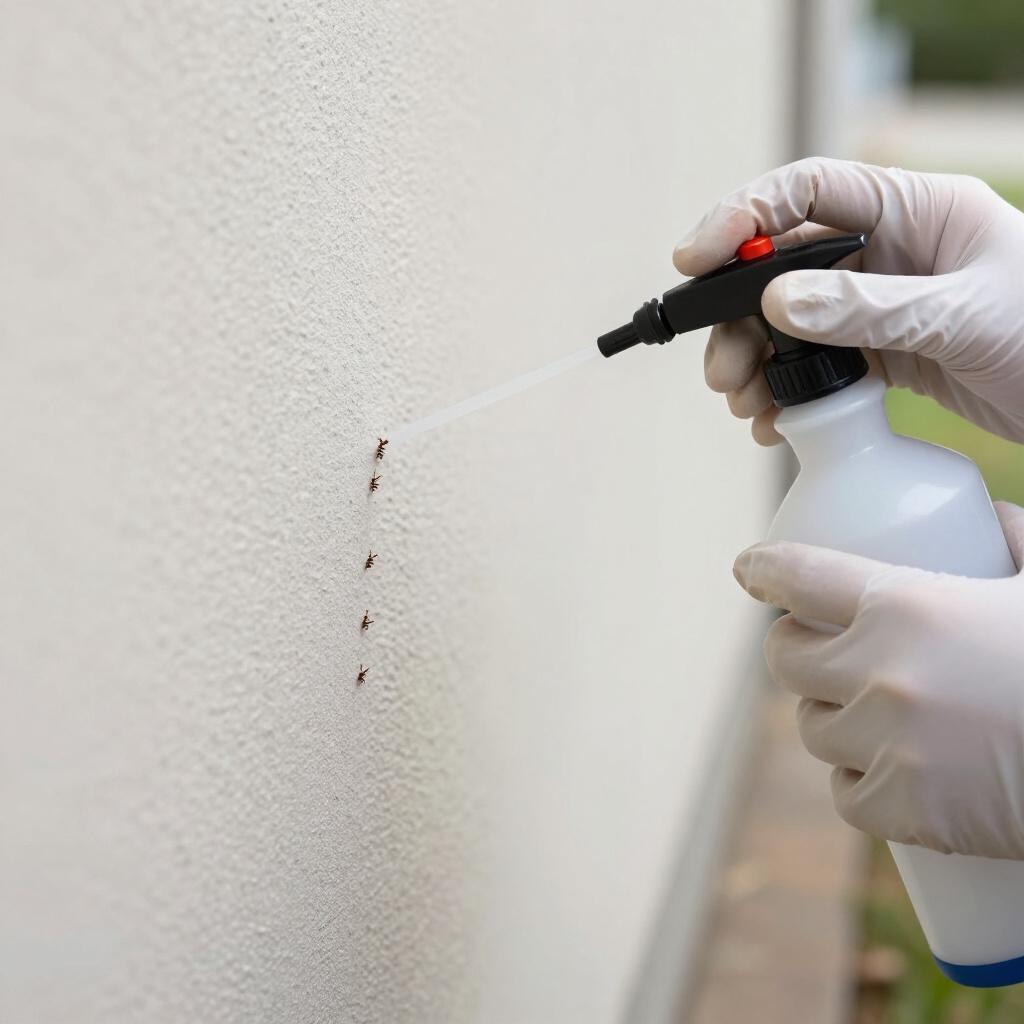
DIY pest control can be remarkably effective for minor, early-stage infestations. Store-bought sprays, bait stations, and natural remedies give homeowners immediate access to treatment options without waiting for an appointment. For common nuisances like occasional ants, fruit flies, or a single spider sighting, a $10 can of insecticide or a homemade vinegar solution often does the trick.
The real advantage of DIY methods is speed and cost. You can respond the moment you notice a problem, and you're not paying service fees or scheduling around someone else's calendar. Many homeowners also appreciate knowing exactly what products are being used in their living spaces—particularly important if you have children, pets, or family members with chemical sensitivities.
However, DIY pest control has clear limitations. Over-the-counter products typically contain lower concentrations of active ingredients compared to professional-grade treatments. This means they may kill visible pests while missing hidden nests, eggs, or entry points. Misapplication is another common pitfall: using too much product, applying it in wrong areas, or mixing incompatible chemicals can create health hazards or actually drive pests deeper into your home.
Perhaps the biggest risk is misidentification. Treating a carpenter ant infestation like a simple sugar ant problem, for example, allows wood-destroying colonies to thrive while you wonder why the bait isn't working. DIY approaches also demand consistent follow-through—something busy homeowners often struggle to maintain.
Hiring a Professional: When Expertise Makes the Difference
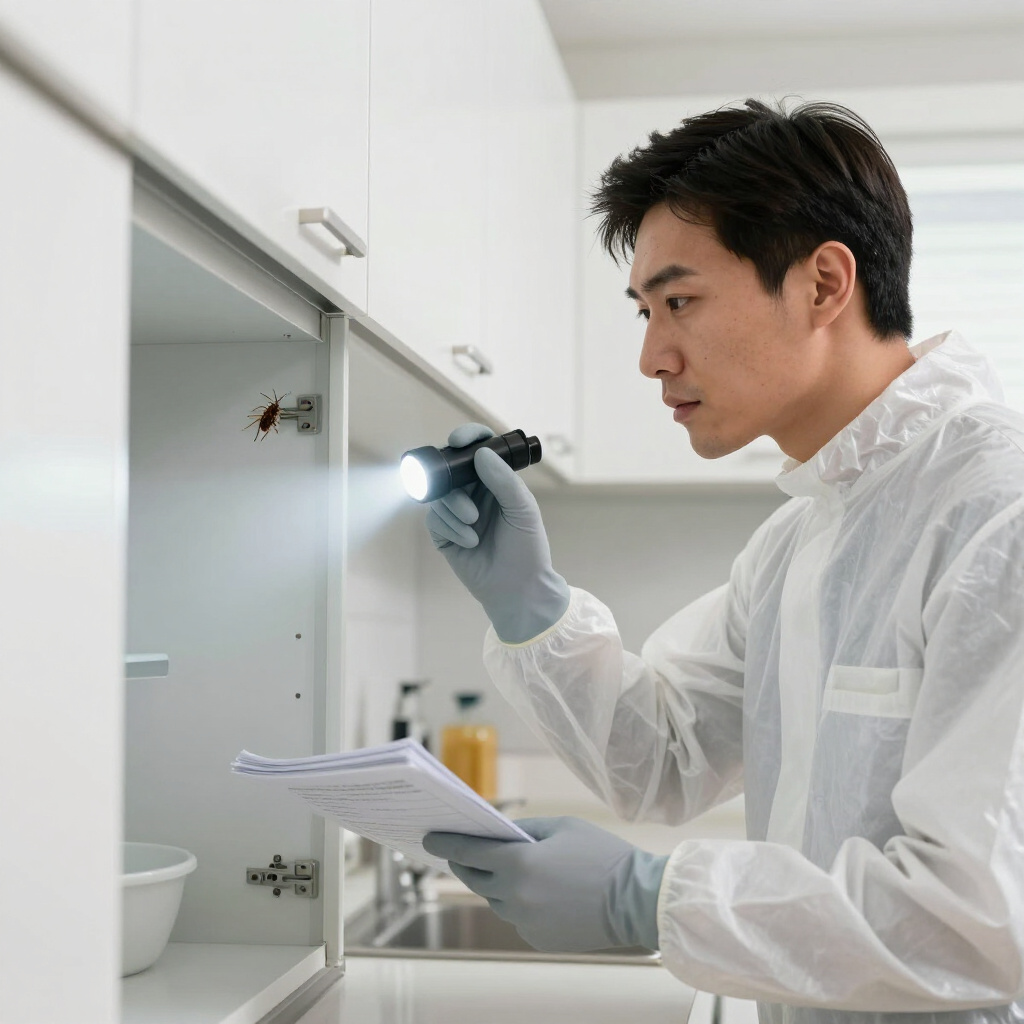
Professional pest control services bring training, experience, and access to commercial-grade tools that simply aren't available to the average homeowner. Technicians undergo extensive education in pest biology, behavior, and the safest application methods for potent treatments. They can accurately identify species, locate hidden harborages, and design targeted strategies rather than blanket spraying.
Severe or persistent infestations almost always warrant professional intervention. Termites, bed bugs, rodents, and cockroaches multiply quickly and cause significant damage or health risks if not eliminated thoroughly. Professionals use integrated pest management approaches—combining chemical treatments with exclusion techniques, monitoring, and environmental modifications—to solve problems at their source rather than managing symptoms.
Safety represents another compelling reason to hire experts. Licensed applicators understand proper dosing, protective equipment requirements, and regulations about where certain products can be used. They also carry liability insurance and typically guarantee their work, offering return visits if pests persist.
The trade-offs are cost and scheduling. Professional services require upfront investment and ongoing maintenance plans for chronic issues like seasonal ant invasions or year-round rodent pressure. You'll also need to coordinate access to your home, which can be inconvenient for working families.
Key Tips for Making the Right Choice
Start by honestly assessing your situation. Ask yourself: How extensive does the infestation appear? Are you seeing a few stragglers or evidence of established colonies? Have DIY attempts already failed? Is the pest potentially dangerous (stinging insects, venomous spiders) or destructive (termites, carpenter ants, rodents chewing wiring)?
For straightforward, first-time encounters with common pests, DIY pest control is reasonable to try first. Purchase quality products from reputable retailers, read all labels carefully, and follow safety precautions explicitly. Focus on entry point sealing, moisture control, and sanitation alongside any chemical treatments—these environmental changes often matter more than sprays alone.
Call professionals immediately if you notice structural damage, hear rodents in walls, find bed bugs, encounter stinging insect nests near living areas, or experience recurring problems despite your best efforts. The money saved by delaying often evaporates when you're replacing chewed electrical wiring or treating a full-blown termite infestation months later.
When selecting a professional, verify licensing through your state regulatory agency, request references, and understand what their service includes. The cheapest quote rarely delivers the best value—look for companies that explain their inspection findings, discuss multiple treatment options, and provide written guarantees.
Final Thoughts
Neither DIY pest control nor professional services are universally superior—they serve different needs at different times. Successful pest management ultimately depends on accurate identification, appropriate treatment selection, and consistent prevention efforts. Many homeowners find a hybrid approach works best: handling minor issues independently while building a relationship with a trusted professional for complex problems or annual inspections. Whatever path you choose, act promptly at the first sign of trouble. Small pest problems rarely stay small, and the peace of mind that comes from a truly pest-free home is worth the investment of either your time or your budget.